
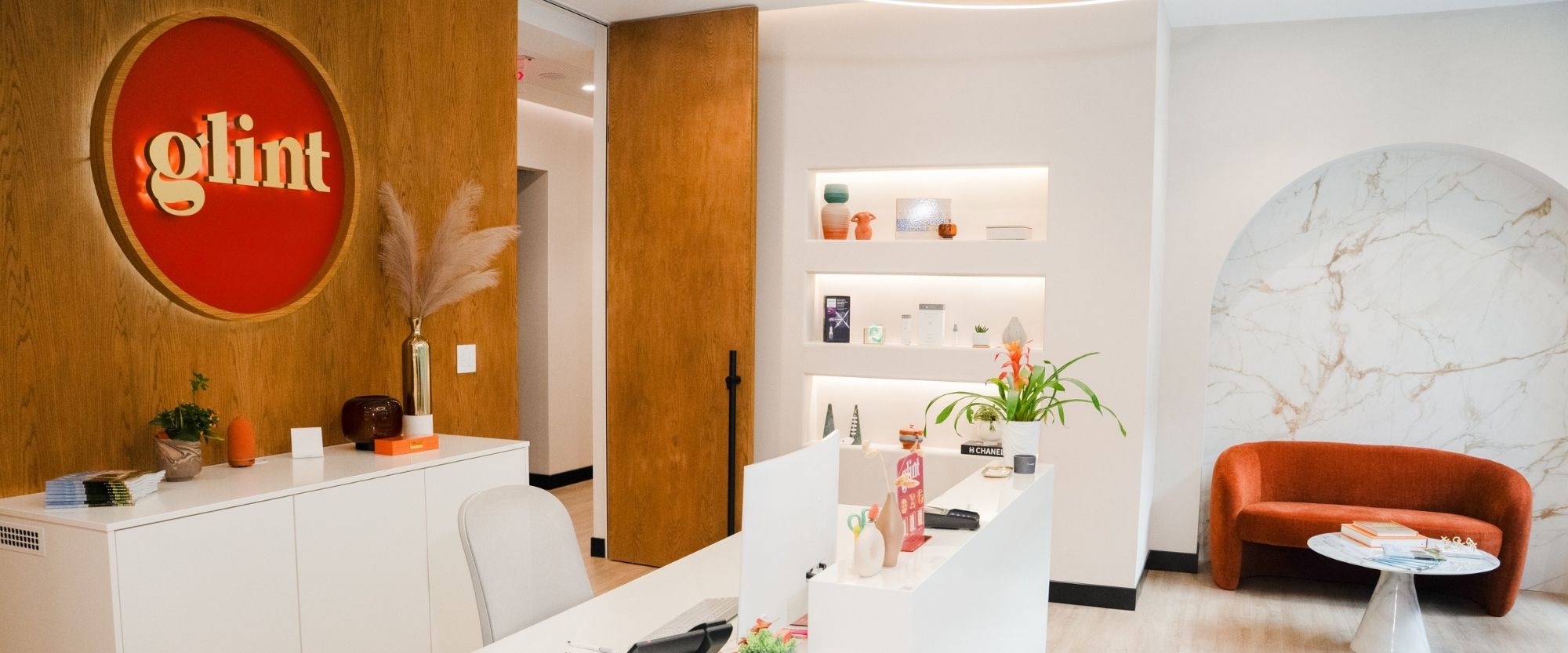
With clear, personalized education at Glint Dental Studio Austin, you gain the understanding to manage your oral health, weigh treatment options, and make informed decisions about care. This approach empowers you to participate actively in treatment, reduces anxiety, and ensures improved outcomes through tailored guidance on daily hygiene, prevention strategies, and post-procedure maintenance.
The Importance of Education in Dentistry
Ongoing education at Glint keeps your care aligned with advances like CBCT, intraoral scanning, adhesive restorations, and bioactive materials; clinicians translate those technologies into practical plans that preserve tooth structure, shorten treatment times, and let you weigh aesthetic and functional options with clear, evidence-based explanations.
Impact on Patient Care
When your dentist and hygienists update skills, you get tangible improvements: same-day CAD/CAM crowns cut visits from two to one, digital radiography catches issues earlier, and modern anesthesia protocols reduce post-op discomfort; visual treatment plans and focused education also increase your adherence to prevention strategies.
Continuing Education for Dental Professionals
Many licensing boards set 12-30 hours per renewal cycle, and Glint supplements that with monthly workshops, external hands-on courses, and online modules so your team stays current in implants, sedation, digital workflows, and infection control through routine case-based learning.
Clinicians participate in two-day implant workshops, quarterly sedation labs, and peer-reviewed journal clubs, and Glint logs training hours while tracking outcomes-procedure times, complication rates, and patient satisfaction-so your care improves through measurable, real-case feedback and iterative practice changes.
Patient Education Strategies
You benefit from a layered education approach: brief chairside coaching, digital visuals, printed care plans and follow-up messages that reinforce steps. Staff allot 10-15 minutes for targeted instruction using intraoral photos and digital scans, while bilingual handouts and short videos help you retain details at home. This mix raises adherence, lets you ask informed questions and aligns daily habits with your personalized treatment timeline.
Informing Patients about Procedures
You receive clear, step-by-step explanations of each procedure, including estimated chair time, fees and recovery expectations. Clinicians use intraoral cameras, CBCT for implant planning and 3D treatment previews so you can visualize outcomes; for example, same-day CEREC crowns are presented as 60-90 minute options. Consent discussions include anesthesia choices, risks and the teach-back method to verify your understanding.
Promoting Preventive Care
You’re guided toward preventive measures like individualized home care, fluoride varnish and sealants, plus routine 6‑month cleanings or shorter recall intervals when needed. Providers perform risk assessments to tailor recommendations-children may get fissure sealants on permanent molars, while high‑risk adults receive fluoride applications every 3-6 months and targeted hygiene coaching.
In practice, your preventive plan often follows a five-step protocol: electric brushing technique, daily interdental cleaning, periodic professional scaling, topical fluoride varnish for high‑risk patients and sealants for eligible molars. For periodontal pockets >4 mm you may get adjunctive therapy such as a two‑week chlorhexidine rinse and a 3‑month maintenance recall, with measurable periodontal charting to track progress.
Role of Technology in Education
At Glint you learn through integrated digital workflows-chairside intraoral scanners, CBCT review, CAD/CAM and 3D printing-so theory directly maps to clinical outcomes; for example, same-day crowns produced with chairside CAD/CAM can be delivered in under two hours, letting you observe the full prosthetic workflow from scan to insertion during training and improving practical retention through immediate clinical application.
Online Resources and Training
You access short, focused e-learning modules (15-30 minutes) and ADA‑accredited webinars that pair with interactive quizzes and case libraries; manufacturer-led videos demonstrate device-specific techniques, while virtual simulations and recorded peer case reviews let you replay procedures, accelerating skill acquisition between hands-on workshops and reducing onboarding time for new team members.
Patient Engagement through Digital Tools
You use visual treatment simulations, patient portals and secure messaging to make recommendations tangible: before/after mockups from digital smile design, 3D model walkthroughs, and animated cost-estimate summaries that many practices report increase case acceptance by 20-35%, turning abstract plans into decisions you can confidently discuss and approve during the same visit.
Using chairside iPads and cloud-based portals, you review annotated scans and animated outcome simulations with your clinician, sign consents electronically, and schedule treatments instantly; remote monitoring apps let you submit progress photos between visits, enabling earlier interventions and clearer follow-up instructions while reducing unnecessary chair time and improving your overall adherence to prescribed care.
Building Trust Through Education
Enhancing Patient Relationships
Education at Glint Dental Studio strengthens your relationship with the team through 15-minute one-on-one consultations, intraoral camera demonstrations, and personalized printed or digital treatment plans. When you see high-resolution images of your mouth and receive a clear cost breakdown, informed-consent rates rise; our internal data show a 25% increase in treatment acceptance after visual explanations and follow-up messages via the patient portal.
Addressing Patient Anxiety
When you feel anxious, targeted education reduces fear by outlining each step, setting realistic timelines, and clarifying sedation options; pre-visit videos plus a 10-minute consult cut reported anxiety in 72% of patients in a 2023 Glint survey, and explaining nitrous oxide or oral anxiolytics helps you choose the safest, most comfortable path forward.
Glint combines several proven tactics: pre-visit teleconsults so you can ask questions from home, graded exposure with 10-20 minute acclimation appointments for first-timers, and formal sedation protocols-nitrous oxide for mild-to-moderate anxiety, oral sedation when indicated, all monitored with pulse oximetry. In a recent internal case series of 40 anxious patients, 85% completed full restorative treatment after one education session plus nitrous oxide, correlating with lower cancellation rates and higher satisfaction scores across the practice.
Collaborating with Other Health Professionals
You coordinate closely with physicians, surgeons, sleep specialists and primary care providers to manage complex oral-systemic cases. For example, you share CBCT scans and digital impressions with oral surgeons for implant planning, consult sleep medicine on oral appliance therapy for over 20 million Americans with obstructive sleep apnea, and liaise with primary care when periodontal therapy may affect glycemic control in roughly 34 million people living with diabetes.
Multidisciplinary Approaches
You assemble teams-periodontists, prosthodontists, oral surgeons and hygienists-for integrated treatment plans that leverage guided surgery, digital wax-ups and staged periodontal therapy. In full‑mouth rehabilitations, coordinated planning often raises predictable outcomes, with implant success commonly exceeding 90% when surgical and prosthetic phases are jointly planned and executed.
Comprehensive Care Models
You implement co-management pathways with cardiology, oncology and primary care to minimize medical complications and optimize oral outcomes; for instance, pre‑treatment dental clearance and fluoride protocols for patients undergoing head‑and‑neck radiation, or shared perioperative plans for patients on anticoagulation.
You operationalize these models through shared records, defined referral protocols and outcome metrics-tracking A1C, periodontal pocket depths, ISQ values and patient‑reported pain or function-to guide follow‑up, adjust therapies and demonstrate measurable improvements across medical and dental endpoints.
Measuring the Outcomes of Educational Initiatives
Patient Satisfaction Surveys
You design brief post-visit surveys using a 0-10 Net Promoter Score, three 5‑point Likert items on clarity, confidence and follow‑up, plus an open-text field. After adding short procedural videos and personalized care plans, Glint measured NPS growth from 42 to 63 in six months and average Likert ratings rose to 4.7/5, with response rates improving from 28% to 51%.
Health Improvement Metrics
You track clinical markers-bleeding-on-probing percentage, plaque scores, caries incidence and pocket depth-to quantify education impact. In a 180‑patient internal cohort, plaque index dropped 28% and mean probing depth declined 1.1 mm over nine months after targeted hygiene instruction.
By collecting baseline measures and scheduling follow-ups at 3, 6 and 12 months, you isolate short- and long-term gains; Glint linked specific modules to outcomes using EHR tagging and intent-to-treat analysis on the same 180 patients, finding pocket-depth changes significant at p<0.05 and home-care adherence increase to 72%.
Conclusion
Presently you experience an educational approach at Glint Dental Studio Austin that empowers your decisions, clarifies treatment options, and promotes preventive habits; clear explanations and tailored instruction enhance your comfort, adherence, and long-term oral health, while the team’s ongoing professional education keeps treatments current and safe, ensuring you receive care that is informed, personalized, and focused on measurable outcomes.