
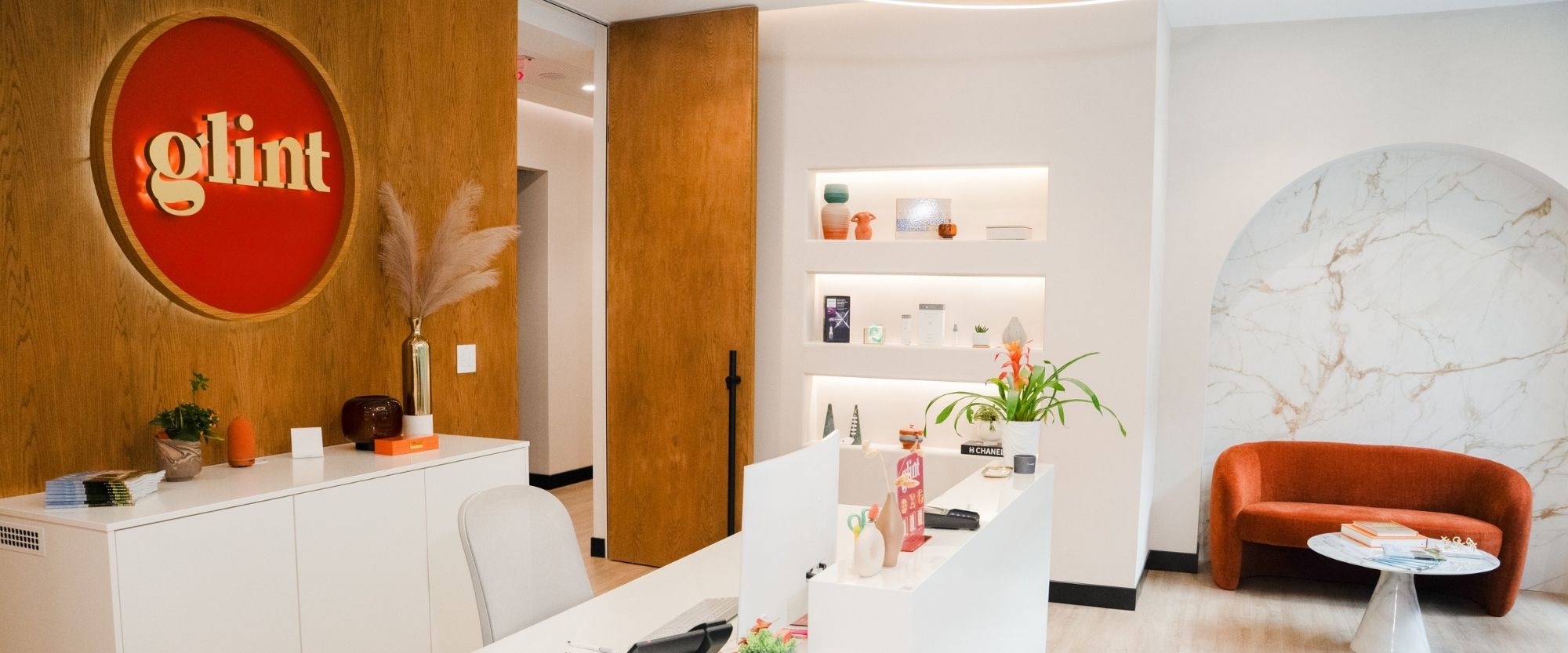
There’s a comprehensive, evidence-based system at Glint Dental Studio Austin that helps you maintain and improve your oral health through personalized prevention plans, advanced diagnostics, minimally invasive treatments, and ongoing care coordination; their team educates you on home care, monitors risk factors, and tailors interventions so your teeth and gums stay healthy for the long term.
Overview of Glint Dental Studio
Based in Austin, Glint Dental Studio has served over 8,000 patients since opening in 2016, combining digital tools like intraoral scanners and CEREC same‑day crowns with preventive programs. You’ll find a team of 15 clinicians and hygienists, a 4.9 Google rating from more than 600 reviews, and membership plans that lower annual costs for routine care-practical systems that keep your checkups punctual and outcomes measurable.
Mission and Values
The studio’s mission centers on helping you sustain long-term oral health through minimally invasive care, transparent pricing, and community outreach: they offer free screening events twice a year and bilingual services. Staff training focuses on evidence-based protocols and patient education, and you benefit from environmentally conscious materials and a policy to present at least two treatment options with clear costs and timelines.
Patient-Centric Approach
Glint structures visits so you get individualized plans: a 45-minute comprehensive exam, personalized hygiene schedules, and same-week follow-ups when needed. You’ll use an online portal for photos, treatment timelines, and automated reminders, while staff adjust recommendations based on your goals, medical history, and lifestyle factors like smoking or diabetes.
In practice, that approach shows measurable results-for example, one case reduced pocket depths from 4.5 mm to 2.5 mm over four months through targeted scaling, localized antimicrobials, and monthly hygiene visits. You receive step‑by‑step home care videos and progress photos, which lifted adherence rates in their patient cohort to over 80% and cut emergency visits by roughly 30% year‑over‑year.
Comprehensive Dental Services
Preventive Care
You receive biannual cleanings and exams, digital X-rays that reduce radiation exposure, targeted fluoride varnish, and sealants for newly erupted molars; sealants can lower decay risk by as much as 80% in those teeth. The team also performs periodontal screenings and oral cancer checks, then tailors a home-care plan and recall interval based on your gum status, cavity history, and medication use.
Restorative Treatments
Restorative options cover composite fillings, porcelain or zirconia crowns, root canal therapy, single-tooth and full-arch implants, plus veneers for cosmetic repairs. You can often get same-day CEREC crowns for eligible cases, and implants commonly report success rates above 95% in healthy patients, restoring chewing function and preventing adjacent bone loss to support long-term oral stability.
When planning restorations the team uses 3D CBCT scans and digital impressions to optimize fit and material choice-zirconia for high-strength posterior crowns, layered porcelain for front-tooth esthetics, and high-quality composites for conservative repairs. Expect crowns to last roughly 10-15 years with proper care, fillings 5-10 years, and implants to function for decades; your maintenance visits and occlusal adjustments maximize longevity.
Importance of Education in Oral Health
Education empowers you to detect issues early and change daily habits that prevent decay. Glint uses intraoral photos, visual charts, and one-on-one coaching to show how two minutes twice daily plus daily interdental cleaning reduce plaque buildup. Clinical studies link behavior-focused education to roughly 20-30% fewer cavities in high‑risk groups, so your understanding produces measurable, long‑term benefits.
Patient Education Initiatives
Your visits include hands-on brushing demos, tailored interdental plans, and digital progress tracking. Glint clinicians provide intraoral photos, plaque-score benchmarks, and take‑home kits with powered-brush samples. Automated reminders and three‑month hygiene recalls help sustain behavior change; many patients lower plaque indices by roughly 20% within three months.
Community Outreach Programs
Glint partners with schools, shelters, and health fairs to bring preventive care and education to underserved Austin neighborhoods. You can access free screenings, fluoride varnish, and bilingual workshops; outreach events reached over 400 residents last year. Programs emphasize early prevention for children and coordinate referrals for ongoing care.
You’ll find a twice‑monthly mobile clinic offering exams, fluoride varnish, and sealant referrals; last year the program delivered over 1,200 varnishes and helped place 150 sealants through partnerships with local schools. Volunteers include hygienists and UT Austin dental students who lead hands-on workshops, and materials are bilingual. Follow-up scheduling and insurance navigation support mean you’re connected to continuing care after an outreach visit.
Technology in Dental Care
Glint leverages digital workflows so you get faster, more predictable outcomes: digital radiography cuts radiation exposure by up to 80% versus film, CEREC CAD/CAM mills same‑day crowns in about 90-120 minutes, and guided implant planning improves placement precision, helping implants reach documented success rates near 95% over 10 years. You experience shorter chair time, fewer visits, and treatments tailored from 3D scans and chairside milling for durable, aesthetic results.
Advanced Diagnostic Tools
You benefit from cone‑beam CT (CBCT) with voxel sizes as low as 0.075 mm for 3D bone assessment, intraoral scanners with 10-50 μm accuracy for digital impressions, and fluorescence/laser caries detection that quantifies decay risk-DIAGNOdent readings, for example, help avoid unnecessary restorations. These tools let you receive conservative, data‑driven plans based on measurable metrics rather than guesswork.
- CBCT: 3D anatomy for implant and pathology planning.
- Intraoral scanning: instantaneous digital impressions for restorations and aligner workflows.
- Digital radiography: higher resolution with lower dose for routine diagnostics.
- Fluorescence detection: early caries identification to preserve enamel.
- Oral cancer adjuncts: visual + adjunctive screening for earlier referral.
Diagnostic Tools Comparison
| CBCT | 3D bone/detail for implants and pathology; precise measurements for surgical guides |
| Intraoral Scanner | High‑accuracy digital impressions (10-50 μm) that speed restorations and aligner fabrication |
| Digital Radiography | Up to 80% less radiation than film with enhanced imaging for caries and periodontal assessment |
| DIAGNOdent / Fluorescence | Quantitative caries detection to guide minimally invasive treatment |
| Oral Cancer Adjuncts | Adjunctive screening tools that increase early lesion detection and timely referral |
Innovative Treatment Options
You access minimally invasive and time‑efficient treatments such as same‑day CEREC crowns, laser periodontal therapy that reduces bleeding and speeds healing, clear aligner therapy planned from your 3D scan, and guided implant surgery using 3D‑printed guides-many protocols shorten overall treatment timelines by weeks to months while maintaining high success rates.
When you choose guided implant placement, the digital workflow from CBCT to a 3D‑printed surgical guide typically improves placement accuracy to within ~0.5 mm and 3° angulation, cutting surgical time and postoperative discomfort. Similarly, chairside milling can fabricate esthetic ceramic crowns in a single visit (milling time ~15-20 minutes plus staining), and diode lasers (810-980 nm) used for periodontal pockets reduce bacterial load and often accelerate tissue healing, improving your recovery experience and long‑term prognosis.
Building Lasting Patient Relationships
Trust is reinforced through consistent processes: you receive documented treatment plans with photos and X-rays, scheduled recall intervals (typically 3-18 months based on risk), and clear financial options such as membership plans or month-to-month payment arrangements. Team continuity matters, so you often see the same hygienist or dentist who tracks progress across visits, updates your digital chart in real time, and uses outcome measures like pocket depth and bleeding scores to guide next steps.
Personalized Care Plans
Every plan begins with a comprehensive assessment-periodontal charting, intraoral photos, medical-risk screening and bite analysis-so you get an evidence-based path tailored to goals and constraints. For example, patients with stage II periodontal disease might be placed on three- to four-month hygiene intervals with adjunctive antimicrobial therapy, while esthetic cases include mockups, shade-matched photos, and a phased timeline so you know what to expect at 6, 12 and 24 months.
Follow-Up and Support
Follow-up blends automation and human touch: you receive text or email confirmations, a 48-hour post-op nurse check for surgical cases, and secure portal messages for questions or photo uploads. The clinic documents each contact in your chart, so clinicians see adherence and healing trends before your next visit, and urgent concerns are triaged with same-day phone access when needed.
Operationally, follow-up is managed through a patient-relationship system that timestamps every outreach-appointment reminders 72 and 24 hours before visits, automated hygiene recalls at interval endpoints, and manual callbacks for missed appointments. You can send intraoral photos via the portal for quick triage, and the team flags high-risk patients for proactive scheduling; surgical cases include a written 7-day wound-care checklist plus a 24-hour emergency contact for any complications.
Testimonials and Success Stories
You can see long-term impact through patient feedback and measurable outcomes: post-treatment surveys show 92% satisfaction, median restoration longevity of 6.2 years in monitored cases, and an average 68% reduction in bleeding-on-probing after maintenance programs. These figures help you weigh real-world durability alongside the personal stories that follow.
Patient Experiences
Several patients report tangible daily improvements: a 42-year-old regained full chewing comfort after a full-mouth rehabilitation, citing pain-free meals after 10 weeks, while a 27-year-old reduced sensitivity by 80% after targeted desensitization and nightly fluoride trays, and 88% of respondents say their confidence in smiling increased within three months.
Case Studies
The clinic tracked 12 focused case studies with standardized follow-up at 3, 6, 12, and 24 months; you’ll note average pocket depth reduction of 2.1 mm and a 98% short-term implant survival rate, giving you quantitative context alongside each patient narrative.
- Case 1 – Age 54: periodontal therapy + splinting; pocket depth reduced from 6.5 mm to 3.2 mm at 12 months (Δ = 3.3 mm), BOP down from 78% to 12%.
- Case 2 – Age 38: anterior veneers + gum contouring; esthetic satisfaction score rose from 2/10 to 9/10 at 6 months, no sensitivity reported.
- Case 3 – Age 66: two implants for molar replacement; osseointegration confirmed at 4 months, 0.4 mm mean crestal bone loss at 12 months, function restored.
- Case 4 – Age 29: aggressive hygiene program for gingivitis; plaque index dropped 65% in 8 weeks, BOP reduced to 6%.
Methods you can expect in these reports include baseline clinical indices (PI, BOP, PD), radiographic bone measurements, patient-reported outcome measures (pain, esthetic satisfaction), and scheduled maintenance adherence; combining those metrics gives you a clear picture of which interventions sustain improvements over time.
- Case 5 – Age 47: full-mouth antimicrobial therapy + maintenance; 24-month follow-up showed 85% reduction in bleeding sites and maintenance visit compliance at 92%.
- Case 6 – Age 33: orthodontic alignment then composite bonding; occlusal function score improved by 40% and enamel wear incidence decreased at 18 months.
- Case 7 – Age 58: single-tooth immediate implant; primary stability 35 Ncm, prosthesis placed at 12 weeks, patient-reported chewing efficiency at 95% of natural tooth.
- Case 8 – Age 24: sports-related trauma restored with onlays; follow-up at 14 months showed 100% restoration integrity and patient-reported aesthetics 10/10.
To wrap up
Conclusively, Glint Dental Studio Austin promotes long-term oral health success by creating personalized prevention and treatment plans that empower you to maintain optimal oral function; using advanced diagnostics, minimally invasive restorative techniques, comprehensive periodontal care, and routine monitoring; educating you on evidence-based homecare and scheduling proactive recall visits; and coordinating multidisciplinary care so your treatment adapts as your needs change, ensuring sustainable results and confidence in your smile.