

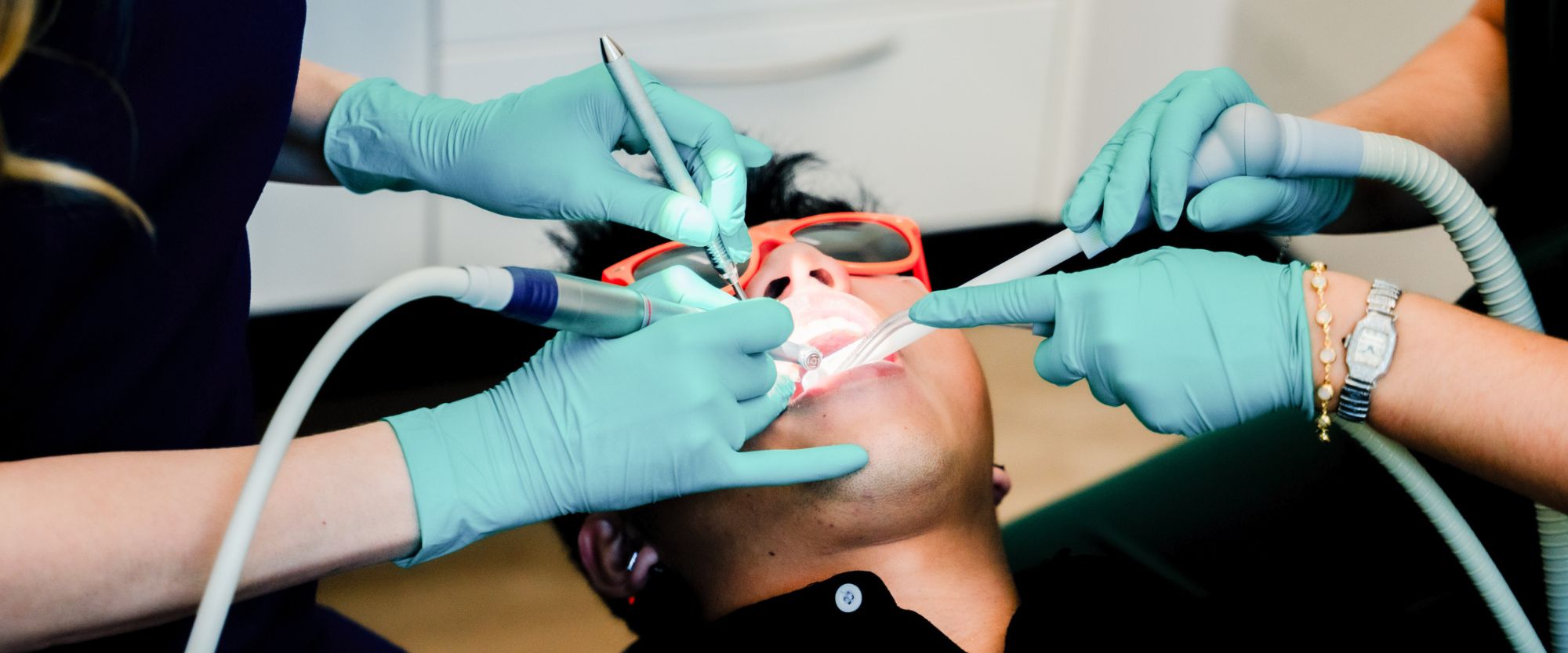
With routine exams, professional cleanings, fluoride treatments, dental sealants, digital X‑rays, oral cancer screenings, and periodontal maintenance, you receive a comprehensive preventive plan at Glint Dental Studio Austin tailored to your needs. Your care also includes patient education, customized nightguards or mouthguards, and scheduling for regular visits so you can prevent decay, manage gum health, and preserve long-term oral wellness.
Overview of Preventive Care at Glint Dental Studio
Your preventive plan at Glint focuses on proactive measures-professional cleanings, digital X-rays, fluoride varnish, sealants, oral cancer screenings and personalized hygiene coaching-to catch problems early and minimize invasive treatment. You’ll receive tailored recall intervals (typically every six months, or 3-4 months if you’re high-risk), plus technology like intraoral cameras and chairside consultations to track progress and keep your care efficient and comfortable.
Importance of Preventive Dental Care
Preventive visits let you avoid advanced decay and gum disease by catching issues when treatment is simpler and less expensive; early intervention often means fillings or remineralization instead of root canals or extractions. You’ll benefit from risk assessments, targeted fluoride or sealants, and behavior-focused coaching so your daily routine reduces future problems and preserves natural teeth longer.
Benefits of Regular Check-Ups
Regular check-ups remove hardened plaque that brushing misses, provide periodontal charting to monitor gum health, and use digital imaging to detect hidden cavities and bone loss. You’ll also get personalized home-care guidance, scheduling adjustments based on risk, and preventive services-like sealants and topical fluoride-that lower your chance of needing restorative work.
For example, a typical six-month visit at Glint lasts 30-45 minutes and combines a clinical exam, scaling/polishing, and selective digital X-rays that can reduce radiation exposure by up to 90% versus film. If early decay is found, clinicians favor minimally invasive options or remineralization; for children and teens, sealants can cut molar decay risk by about 80%. You’ll leave with a clear action plan, evidence-based recommendations, and measurable benchmarks for follow-up care.
Professional Cleanings
Types of Cleanings Offered
You can choose from routine prophylaxis, scaling and root planing for active gum disease, periodontal maintenance after therapy, and gross debridement when heavy calculus is present; each is tailored to your clinical needs and comfort, often using ultrasonic scalers, hand instruments, and intraoral suction to minimize time and sensation.
- Prophylaxis (routine cleaning) – 30-45 minutes, polish, fluoride options
- Scaling & Root Planing – deep cleaning with local anesthesia when needed
- Periodontal Maintenance – 60-minute visits every 3 months for treated patients
- This includes ultrasonic scaling, targeted polishing, and individualized post‑op care instructions.
| Cleaning Type | What to Expect |
|---|---|
| Prophylaxis | 30-45 minutes; tartar removal above gum line, polish, optional fluoride for sensitivity |
| Scaling & Root Planing | One or more 60-90 minute sessions; local anesthetic, root smoothing to reduce pocket depth |
| Periodontal Maintenance | About 60 minutes every 2-4 months depending on stability; focused pocket care and monitoring |
| Gross Debridement | 30-60 minutes to remove heavy deposits before a comprehensive exam; may precede other care |
Frequency Recommendations
Most patients do well with a cleaning every six months, while those with active periodontal disease typically need maintenance every three months to control pocket depths and inflammation; your hygienist will assess bleeding on probing, plaque scores, and risk factors to set a schedule that fits your oral health status.
If you have risk factors such as diabetes, smoking, aggressive periodontitis, or implants, expect more frequent visits-commonly every 3-4 months; clinical examples at our Austin practice show improved pocket reduction and lower bleeding rates when high‑risk patients adhere to quarterly maintenance and targeted home care plans.
Dental Sealants
You can add long-lasting protection to deep grooves with dental sealants, a thin resin applied to chewing surfaces of molars and premolars. Recommended when your permanent molars erupt-around ages 6 and 12-sealants block food and bacteria from pits and fissures. Studies show they can lower decay in treated molars by up to 80% during the first two years and often last 5-10 years with routine maintenance.
What Are Dental Sealants?
Sealants are a tooth-colored plastic resin that your dentist paints into pits and fissures to form a smooth, protective barrier. Application requires no drilling or anesthesia for healthy enamel and typically takes 5-10 minutes per tooth. You’ll benefit most if you have deep grooves or difficulty cleaning back teeth, and both children and adults are common candidates.
Effectiveness and Application Process
Clinical data indicate sealants prevent about 80% of cavities in molars during the first two years and continue to provide significant protection thereafter. The application sequence for your tooth is straightforward: clean the surface, apply a mild etchant, rinse and dry, apply the resin, then cure it with a blue light. The procedure usually takes 10-20 minutes per tooth and is painless for intact enamel.
You should have sealants checked at each hygiene visit so chips can be repaired or re‑applied as needed; with inspections they commonly remain effective for 5-10 years. Many pediatric and preventive plans cover sealants for children, and community programs have shown measurable reductions in decay rates when sealants are deployed broadly among high‑risk kids.
Fluoride Treatments
Professional fluoride varnish (5% sodium fluoride) is applied in about two minutes to strengthen enamel and reverse early decay; you can expect an application every 3-6 months based on risk, and studies report topical fluoride can reduce cavities by roughly 25-35% in children and adolescents.
Benefits of Fluoride
It remineralizes weakened enamel, inhibits bacterial acid production, and often lessens sensitivity after whitening or deep cleanings; you’ll typically see fewer new cavities-clinical trials show a 20-40% reduction-and better enamel hardness when combined with daily fluoridated toothpaste (1,000-1,500 ppm).
Recommended Age Groups
Infants under six months generally don’t receive supplements, but from six months to 3 years you may use a smear of fluoridated toothpaste; children 3-6 years should use a pea-sized amount, while older kids and adults benefit from standard toothpaste plus professional varnish every 3-6 months if at elevated risk.
If your child is high caries risk, clinicians often apply varnish every three months and may recommend a fluoride mouth rinse after age six; when your local water fluoride is below 0.6 ppm, supplements can be discussed with your dentist or pediatrician, and professionally applied topical fluoride is considered safe during pregnancy.
Oral Cancer Screenings
Importance of Early Detection
You benefit from early detection because localized oral cancers have a five-year survival rate around 83%, compared with about 39% for distant disease; catching lesions while they’re small lets you access less invasive treatment and better outcomes. If you smoke, use tobacco, or drink heavily, your risk rises, so detection during routine exams-often every six months-matters.
What the Screening Involves
During your screening the clinician performs a visual and tactile exam of the lips, tongue (including undersurface), floor of mouth, cheeks, palate, and throat; this typically takes 2-5 minutes. They take your medical and social history, look for red/white patches, ulcers, or lumps, and may use adjuncts like toluidine blue or VELscope fluorescence, referring you for biopsy if findings are suspicious.
If they find a suspicious area-ulceration lasting more than two weeks, persistent red or white patch, unexplained lump, numbness, or difficulty swallowing-they’ll document size and location, photograph it, and either perform a brush biopsy or refer you to an oral surgeon/ENT for scalpel biopsy, which is diagnostic. Adjunct tools improve sensitivity but biopsy remains the gold standard for diagnosis.
Patient Education and Self-Care
Glint’s team gives hands-on coaching using plaque-disclosing tablets, intraoral photos, and personalized home-care plans so you can track progress. You’ll get a timed brushing goal (2 minutes, twice daily), flossing once daily, and a professional recall recommendation-typically every 3-6 months based on your risk. Clinicians also set measurable goals, demonstrate technique, and pair recommendations with apps or printed charts so you can monitor plaque scores and gum health between visits.
Instruction on Proper Oral Hygiene
You’ll be shown the modified Bass technique-45-degree angle toward the gumline with gentle short strokes-and coached to use a soft-bristled brush or an oscillating-rotating electric brush with a 2-minute timer. Floss should be wrapped into a C-shape around each tooth and moved beneath the gumline; use about 18 inches of floss. If you have interdental gaps, Glint will recommend 1-2 mm interdental brushes or water flossers for more effective plaque removal, and advise replacing brushes every three months.
Dietary Recommendations for Oral Health
You should limit free sugars to less than 10% of daily calories (about 50 g on a 2,000-calorie diet) and avoid frequent snacking or sipping on sugary/acidic drinks. Swap sugary snacks for cheese, raw vegetables, or nuts to stimulate saliva and neutralize acids, and chew sugar-free gum with xylitol for 10-20 minutes after meals to boost remineralization.
Avoid brushing immediately after acidic foods or beverages; instead rinse with water and wait 30 minutes to prevent enamel abrasion. If you have dry mouth, increase hydration, use saliva-stimulating lozenges, and consider fluoride mouthrinse (0.05% NaF daily) or a prescription 5,000 ppm fluoride toothpaste for high caries risk. Glint tailors these recommendations to your medical history, medications, and caries profile to lower decay risk while preserving enamel.
Conclusion
Following this, Glint Dental Studio Austin offers a full suite of preventive services to keep your smile healthy: routine exams and professional cleanings, fluoride treatments and sealants for cavity prevention, digital X-rays and oral-cancer screenings, periodontal maintenance for gum health, custom night guards and sports mouthguards, plus personalized hygiene coaching and nutritional advice to support your at-home care.