
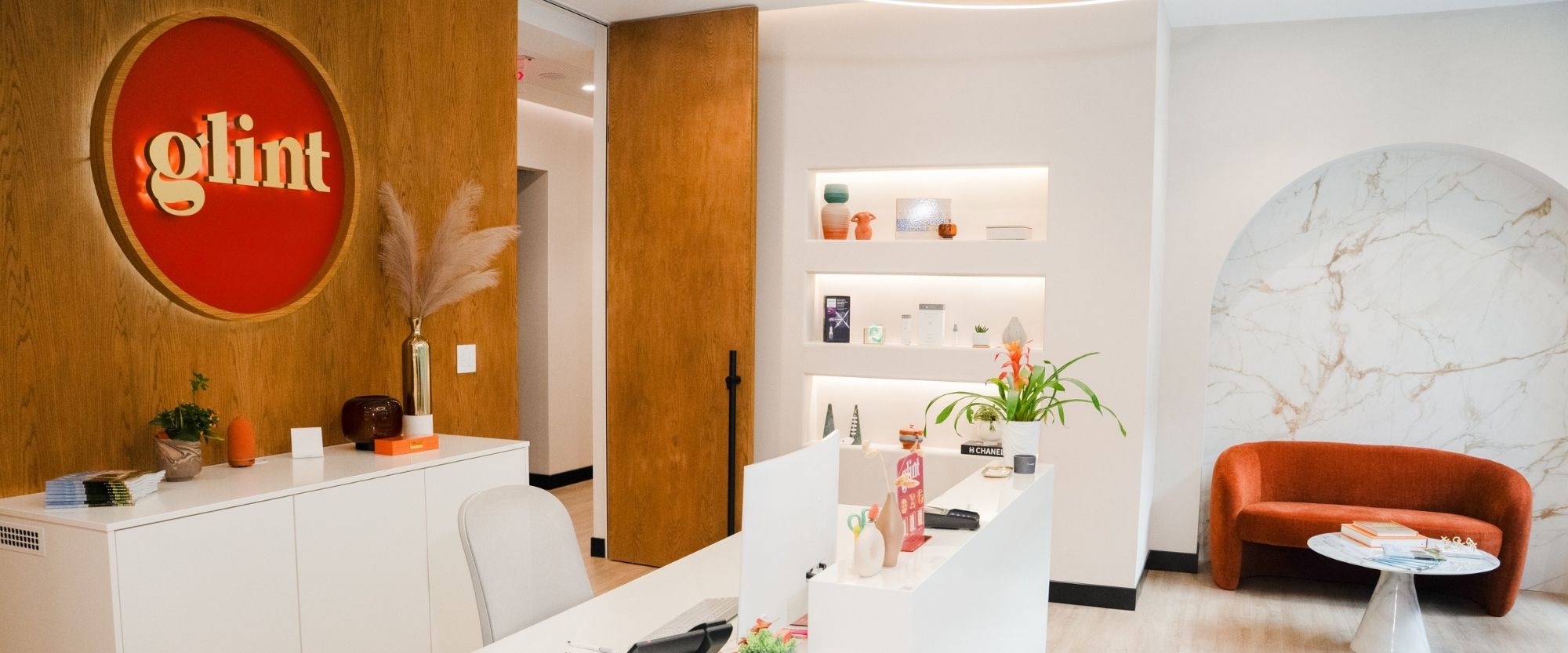
Many of your dental needs are met through Glint Dental Studio Austin’s integration of digital imaging, intraoral scanners, CAD/CAM restorations, 3D printing, and laser treatments to deliver faster, more precise care. These technologies allow your clinician to diagnose early, plan personalized treatments, and fabricate restorations in fewer visits, improving comfort, aesthetics, and long-term outcomes while keeping you informed at every step.
The Role of Digital Imaging in Treatment Planning
Digital imaging gives you a three-dimensional roadmap for treatment, letting clinicians measure bone volume, tooth angulation, and nerve location with submillimeter precision. CBCT scans with voxel sizes as low as 0.076-0.2 mm reveal anatomical detail for implant and orthodontic planning, while merged intraoral scans produce accurate STL/PLY models for labs. This virtual planning reduces surprises during surgery and commonly cuts chair time by 20-40% versus analog workflows.
3D Imaging Technology
CBCT delivers volumetric views with fields of view from about 5×5 cm for single-arch work to 16×9 cm for full-arch diagnostics, at radiation doses far lower than medical CT. You gain measurements accurate to roughly 0.5-1.0 mm for implant angulation and bone height, enabling safe sinus lifts, nerve-avoidance trajectories, and precise ridge augmentation planning. Software segmentation and virtual implant placement export STL files for 3D-printed guides that translate planning into predictable outcomes.
Intraoral Scanners
Intraoral scanners remove the need for traditional impressions by capturing the dentition digitally; single-tooth trueness is commonly 20-50 μm while full-arch scans usually fall within 100-200 μm. Scanning often takes 1-3 minutes per quadrant, and systems like TRIOS or iTero generate color-textured STL/PLY files you and the lab can view immediately, improving communication on margins, occlusion, and shade for faster restorations.
In practice, you’ll notice fewer retakes because scanners provide live feedback on margin clarity and interproximal contacts, reducing remakes and adjustment time. Combining IOS data with CBCT allows fabrication of guided surgical stents with placement variance under 1 mm, and many labs accept digital files for CAD/CAM milling or 3D printing, often shortening lab turnaround to 24-48 hours for single-unit restorations.
CAD/CAM Technology for Restorations
Glint uses intraoral scanners and CAD software to transform your digital impressions into restorations with accuracy often within 20-50 microns, allowing same-day crowns and veneers without multiple temporaries. You experience fewer appointments because designs move straight to milling or 3D printing in-house, and materials like zirconia and lithium disilicate are selected digitally for strength and esthetics before fabrication.
Efficiency in Design and Fabrication
Digital scans typically take 1-3 minutes and export immediately to CAD, cutting lab turnaround from 1-2 weeks to same-day delivery; milling units produce restorations in about 10-30 minutes. You benefit from a streamlined workflow where design iterations happen in minutes, total chair time for a single-visit crown often falling between 60-90 minutes instead of multiple appointments.
Precision and Customization
Advanced CAD tools let clinicians sculpt margins, contacts and occlusion to micron-level tolerances, while digital shade matching and material libraries permit precise esthetic choices; lithium disilicate offers ~360-400 MPa flexural strength and modern zirconia ranges near 900-1,200 MPa. You get restorations tailored to bite dynamics and translucency needs, improving fit and longevity.
In practice, the workflow is scan → design → mill/print → finish: scans in 1-3 minutes, milling 10-30 minutes, and zirconia sintering/polishing 10-20 minutes, so many restorations are completed within 60-90 minutes. You’ll notice reduced adjustment time at try-in because occlusion and contacts are pre-validated digitally, and final polishing or staining fine-tunes color and surface texture for a bespoke result.
Teledentistry in Patient Care
Glint’s teledentistry integrates HIPAA-compliant video, secure image uploads, and e-prescribing so you get fast remote assessments; 15-minute virtual triage appointments often identify urgent needs, allow clinicians to review intraoral photos or 3D scans, and provide follow-up plans or referrals within 48 hours.
Virtual Consultations
During a 15-minute virtual consultation you can upload photos or short video and the clinician will assess occlusion, soft-tissue issues, and restorative needs in real time; afterwards your provider shares annotated images, proposed treatment steps, and estimated costs so you can decide before booking an in-office visit.
Accessibility and Convenience
You avoid commute and waiting-room time by using evening or weekend virtual slots, often getting same-day or next-day appointments; Glint’s mobile-friendly platform supports secure messaging so you can send concerns, receive e-prescriptions, and coordinate in-person care without disrupting work or childcare schedules.
For ongoing care you submit weekly photos or short scans through the app and clinicians compare progress against baseline records, flagging when an in-person adjustment is needed; this remote monitoring, combined with integrated billing and pharmacy e-prescriptions, reduces routine visits while keeping you informed and treated promptly.
Advanced Orthodontic Solutions
- You receive full-arch digital scans (iTero) for precise 3D treatment planning and predictable outcomes.
- Your aligner series are designed with software like ClinCheck and 3D-printed for stage-by-stage force control, often shortening in-office time.
- You can opt for accelerated options-micro‑osteoperforation (Propel) or daily vibratory devices (AcceleDent)-to speed movement by roughly 20-50% in many cases.
- Your complex needs are met with hybrid approaches that combine fixed appliances and aligners for efficient, controlled results.
Quick Comparison
| Option | What it means for you |
|---|---|
| Clear Aligners | For you: discreet wear 20-22 hours/day; typical treatment 6-18 months for mild-moderate cases; digital scan-to-print workflow reduces chair time. |
| Accelerated Techniques | For you: methods like micro‑osteoperforation or vibration can cut active treatment time by ~20-50% depending on case complexity and protocol. |
| Fixed Appliances | For you: ideal for rotations and vertical control; when paired with digital monitoring, it reduces adjustment visits and improves precision. |
Clear Aligners and Their Technology
You benefit from intraoral scans and 3D treatment planning (ClinCheck/iTero) that let you preview outcomes; aligners made from advanced thermoplastics (SmartTrack) require about 20-22 hours/day wear and are typically changed every 7-14 days, so mild-to-moderate cases often complete in 6-18 months while you enjoy fewer in-office adjustments and better aesthetics during treatment.
Accelerated Orthodontics
You can shorten overall treatment using micro‑osteoperforation (Propel) or low‑magnitude vibration devices (AcceleDent); clinical reports show treatment-time reductions roughly between 20% and 50% depending on technique and case, and Glint integrates these safely with aligners or braces to shave months off active alignment phases for many adult patients.
At Glint, your accelerated protocol begins with diagnostic imaging (CBCT or digital radiographs) to confirm bone health and treatment feasibility; micro‑osteoperforation is performed chairside under local anesthetic with typically 3-6 perforations per site to stimulate localized bone remodeling, while AcceleDent is prescribed for 20 minutes/day to complement tooth movement. You’ll experience minimal downtime, and clinicians adjust aligner change intervals-often from 14 days to 7 or fewer-based on response, so a moderate crowding case that might run 12 months can frequently be reduced to about 7-8 months when methods are combined and monitored closely.
Integration of Patient Experience Tools
Digital Appointment Scheduling
You can schedule appointments 24/7 via Glint’s online portal and embedded booking widget, with automated SMS/email reminders that sync to Google Calendar and practice software (Dentrix/Open Dental), helping comparable clinics cut no-shows by roughly 20-30%. Same-day openings and short triage forms let you secure hygiene visits or an Invisalign consult in minutes, while completed intake forms auto-populate your chart to speed check-in and reduce front-desk workload.
Patient Education and Engagement
You view high-resolution intraoral photos and iTero 3D scans that generate before-and-after simulations within minutes, so procedures like veneers or clear-aligner sequences are clear. Short explainer videos and infographics in your portal outline costs, timelines, and aftercare, and secure messaging lets you ask follow-up questions; studies show visual tools increase treatment acceptance rates by over 80% in similar practices.
In addition, you submit weekly photos through remote-monitoring apps and receive personalized progress reports and automated oral-hygiene nudges; clinicians review data and adjust plans remotely, often cutting routine in-office check-ins by about 50%. One Invisalign case at the studio moved three weeks ahead after remote oversight, demonstrating how real-time feedback and tailored education shorten treatment time and boost compliance.
Future Trends in Dental Technology
AI-driven diagnostics, teledentistry expansion, and chairside 3D printing are reshaping care; you can expect same-day restorations made in-office within hours, while AI tools already assist with radiograph interpretation and caries risk scoring. Since 2020 many practices added virtual consults, and clinics using intraoral scanners report faster appointments and higher patient comfort, improving workflow and measurable efficiency.
Innovations on the Horizon
Salivary diagnostics for early disease markers, bioprinting of dentin/pulp constructs, AR-guided implant placement, and nanocomposite materials are moving toward clinical use; you’ll see predictive AI models that forecast treatment outcomes and regenerative approaches in clinical trials. Robotic assistance is achieving sub-millimeter placement accuracy in studies, promising shorter procedures and improved prosthetic fit.
Potential Impact on Dental Practices
Adoption will alter your economics and workflows: chairside fabrication reduces lab outsourcing, AI triage streamlines scheduling, and teledentistry expands patient reach; early adopters report faster case turnover and higher satisfaction. You’ll need upfront investment and staff training, but these technologies can increase throughput, diagnostic precision, and long-term patient retention.
Practically, acquiring a scanner and 3D printer (commonly $15,000-$80,000) can cut lab turnaround from days to hours, and many teams reach clinical proficiency after about 20-30 cases; you’ll also manage new compliance steps for AI and evolving reimbursement codes, so track digital documentation to demonstrate improved outcomes and justify the investment.
Conclusion
Hence you benefit from Glint Dental Studio Austin’s integration of digital imaging, 3D scanning, CAD/CAM same-day restorations, clear-aligner planning, CBCT diagnostics, laser treatments and teleconsults, which streamline your diagnosis, personalize your treatment and reduce chair time; their precision-driven workflows and patient-facing technologies give you predictable, comfortable results and help you achieve a healthier, more confident smile.