
Dental visits at Glint Dental Studio Austin begin with a thorough consultation and digital imaging so your concerns are clearly understood and your oral health is accurately assessed; you can expect a gentle exam, professional cleaning, personalized treatment planning, transparent cost and insurance discussion, and modern comfort options to ease anxiety, all delivered by a team focused on clear communication and efficient, evidence-based care.
Overview of Glint Dental Studio
You’ll find Glint Dental Studio in Austin blends modern digital dentistry with patient-focused service, using intraoral scanners, digital X-rays and CBCT imaging to accelerate diagnosis and planning; new-patient exams typically run 30-45 minutes, treatments are explained with 3D visuals, and same-day solutions like CEREC crowns let you leave with a restoration in one visit when appropriate.
Facility Highlights
You’ll enter a clinic designed for efficiency and comfort: private treatment suites, an on-site lab that can turn provisional restorations around in 24-48 hours, a dedicated CBCT room for implant planning, free patient Wi‑Fi, accessible parking, and extended weekday hours to fit appointments around your work schedule.
Services Offered
You can expect comprehensive care spanning preventive cleanings, restorative fillings, crowns and bridges, dental implants, Invisalign/clear-aligner therapy (average 12-18 months), professional whitening, sedation options (nitrous and oral), emergency visits, and smile makeovers-many procedures combine digital planning and same-day execution when clinically possible.
For implants, you’ll get a CBCT-guided plan and staged treatment that usually reaches final restoration in about 3-6 months; for same-day crowns the workflow scans, designs and mills a porcelain crown in under two hours; and for Invisalign you’ll receive a 3D scan, sequential aligner sets changed every 1-2 weeks, with most cases completing within a year to 18 months depending on complexity.
First Impressions: What to Expect
Reception and Atmosphere
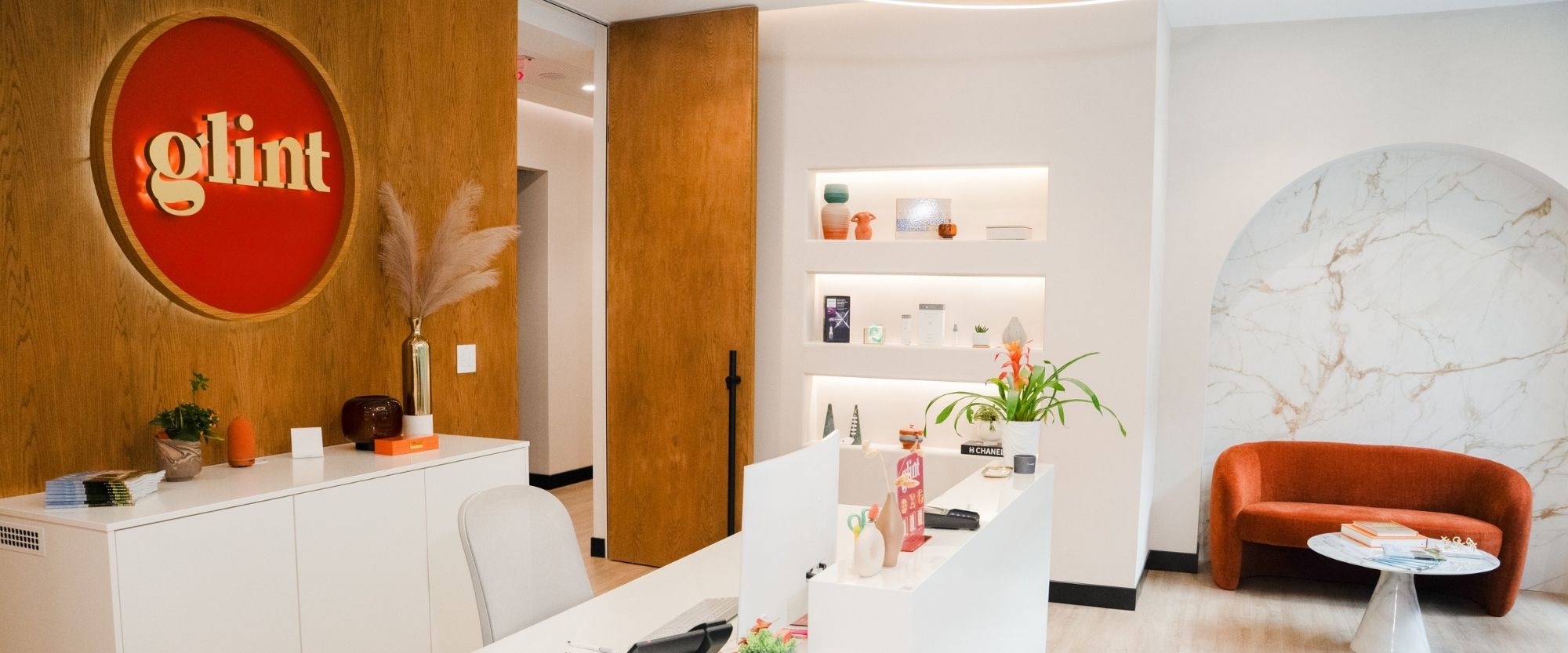
When you arrive, bright, modern reception and warm lighting set a calm tone; parking is usually on-site and check-in takes about 2-5 minutes if you completed online forms. Waiting time averages 10-15 minutes; meanwhile you can use free Wi‑Fi, grab a bottled water or headphones, and glance at digital displays explaining procedures and financing options.
Staff Interaction
Front-desk staff typically greet you within minutes, verify your insurance, and assign a hygienist; your initial chairside conversation with a clinician usually lasts 5-10 minutes to go over concerns and medical history. Expect clear name badges, someone to confirm preferences like music or sedation, and a quick overview of next steps before treatment.
The hygienist conducts a focused exam-probing depths, recording a plaque score, and taking intraoral photos or digital X-rays when indicated-while the dentist reviews findings on a chairside monitor and presents 1-3 treatment options with estimated timelines and costs; if you report anxiety, nitrous oxide or oral sedation options, plus payment plans or same-day restorative possibilities, are discussed.
The Initial Consultation Process
Your first visit typically lasts 30-45 minutes and combines a focused oral exam, review of any existing records, and a clear discussion of goals and options. You’ll receive immediate intraoral photos or X-rays when needed, a prioritized treatment outline with estimated timelines, and an explanation of next steps-urgent care, phased treatment, or cosmetic planning-so you leave with a concrete plan and expected costs.
Patient History Review
You’ll complete a detailed health and dental questionnaire noting medications, allergies, and systemic conditions such as diabetes or heart disease that influence anesthesia and sequencing. Prior restorations-crowns, bridges, implants-and previous orthodontic work are cataloged, along with your aesthetic goals and budget constraints, enabling the team to prearrange medical clearances or anticoagulant management when indicated.
Diagnostic Procedures
The clinical exam includes periodontal probing (six sites per tooth), intraoral photos, bitewing and periapical X-rays, and a panoramic when indicated; digital intraoral scans and occlusal analysis are used for restorative accuracy. Findings-probing depths, caries, fractures, restorations-are documented and used to prioritize urgent infection control, periodontal therapy, or elective cosmetic procedures.
When implants, impacted teeth, or complex restorations are planned, a CBCT 3D scan maps bone volume and the mandibular canal, with planning software providing cross-sectional measurements to 0.1 mm for implant sizing and guide fabrication. Periodontal charts record bleeding on probing and mobility to guide scaling, regenerative therapy, or specialist referral, while digital smile simulations and 3D mock-ups let you preview and refine esthetic outcomes before treatment begins.
Treatment Options Available
Preventive Care
Your preventive visits typically include a professional cleaning every six months, periodontal screening, and low‑dose digital X‑rays to track changes over time. Fluoride varnish and sealants are available-sealants can reduce molar decay by up to 80% in the first two years-while oral cancer screenings and personalized home-care coaching help you lower future treatment needs and identify problems early.
Cosmetic Dentistry
You’ll find in‑office whitening that can brighten teeth 6-8 shades in about an hour, plus porcelain veneers that commonly last 10-15 years and composite bonding that lasts 3-10 years for smaller repairs. Invisalign and clear aligners typically treat mild‑to‑moderate crowding in 12-18 months, and many patients combine whitening with veneers or aligners for a cohesive outcome.
Digital smile design is used to mock up results so you can approve shade and shape before treatment; for example, a typical veneer case of six teeth often involves two visits-preparation and final placement-while same‑day CEREC crowns can restore a tooth in a single 60-90 minute appointment, letting you leave with a finished smile more quickly.
Technology and Innovation at Glint Dental
You encounter an integrated tech ecosystem designed to speed diagnosis and treatment: cone-beam CT for 3D imaging, intraoral scanners for immediate digital impressions, chairside CAD/CAM for same‑day crowns, and in‑office 3D printing for surgical guides. Many workflows cut lab turnaround from days to hours; a typical same‑day crown can be scanned, designed, milled, and seated within a single visit, often under 90 minutes total.
Advanced Equipment
You’ll see specific devices that raise precision and comfort: CBCT with submillimeter voxel resolution (often ~0.2-0.3 mm) for implant planning, 3Shape/TRIOS scanners for high‑accuracy impressions captured in minutes, CEREC chairside milling units that mill crowns in 10-20 minutes, and diode/Er:YAG lasers for minimally invasive soft‑tissue work.
- CBCT: volumetric 3D imaging for implant and airway assessment.
- Intraoral scanners: instant digital impressions, fewer remakes.
- CAD/CAM milling: same‑day restorations with ceramic blocks.
- Dental lasers: reduced bleeding and faster healing for soft‑tissue procedures.
- In‑office 3D printers: surgical guides and models produced in 30-90 minutes.
Equipment and Benefit
| Equipment | Benefit |
|---|---|
| CBCT | 3D visualization for implant placement and pathology with submillimeter detail |
| Intraoral scanner | Fast, accurate digital impressions that reduce remakes and chair time |
| CAD/CAM (CEREC) | Chairside restorations milled in minutes for single‑visit crowns |
| Dental lasers | Precise soft‑tissue shaping with less postoperative discomfort |
| 3D printer | On‑site guides/models for surgical accuracy and predictable outcomes |
Digital Dentistry
You benefit from a fully digital workflow that links diagnostics, planning, and fabrication: digital smile design for esthetic previews, CAD/CAM for restorations, and guided implant workflows that shorten procedure time. In many cases, digital workflows reduce treatment steps and accelerate delivery-models and guides produced in‑office in under 90 minutes and crowns completed the same day.
You’ll notice practical gains: guided implant placement using CBCT and printed guides commonly achieves placement accuracy within about 1 mm and 3 degrees of the planned position, lowering surgical time and improving restorative outcomes. With integrated software, your treatment plan, prosthetic design, and surgical guide come from one coordinated dataset for predictable results.
Insurance and Payment Options
Accepted Insurance Plans
Glint accepts most major carriers-Delta Dental, Cigna, Aetna, Humana, and UnitedHealthcare among them-with in-network participation varying by plan. Your benefits are verified before treatment, claims are submitted electronically, and you’ll receive a clear estimate of copays, deductibles, and coinsurance so you only pay your portion at the visit. Bring your insurance card and policy details and the office can usually provide a benefits breakdown within 24-48 hours.
Financing Choices
You can finance larger procedures through CareCredit and similar healthcare lenders, which commonly offer promotional 0% APR terms for 6-12 months; Glint also accepts major credit cards, HSA/FSA payments, and offers an in-house membership plan that reduces fees for cleanings and exams. Their team will present options so you can choose between upfront payment, monthly financing, or a membership discount tailored to your treatment plan.
For example, a $1,200 porcelain crown on a 12-month 0% CareCredit plan would be about $100/month, while a 24-month low-interest option might lower payments to roughly $55-60/month depending on APR. The financial coordinator runs multiple scenarios during your consultation, can pre-qualify you for financing in minutes, and provides a written payment schedule so you know exactly what you’ll owe before treatment begins.
Conclusion
Drawing together, you can expect personalized, high-quality dental care at Glint Dental Studio Austin: a welcoming, comfortable office, advanced diagnostics and treatments, clear communication and tailored treatment plans, gentle clinicians who prioritize your comfort, and follow-up support that helps you achieve lasting oral health and a confident smile.