

Most often, your first appointment at Glint Dental Studio Austin begins with a warm welcome, a thorough review of your dental history, and a comprehensive exam including x-rays and a personalized treatment discussion; you’ll also receive preventive care recommendations and a clear plan for follow-up so you leave informed and confident.
Overview of Glint Dental Studio
At Glint Dental Studio in Austin, you’ll find a modern practice that blends advanced technology with personalized care; your new-patient visit typically runs 60-90 minutes and includes a comprehensive exam, digital X-rays, intraoral photos, and a clear treatment plan reviewed with you. The clinical team coordinates cases across general dentistry and specialty care to streamline complex treatment when needed.
Mission and Values
The practice emphasizes patient-centered care, transparent pricing, and minimally invasive approaches so you’re involved in every decision; you’ll receive written cost estimates, sedation options when appropriate, and step-by-step explanations of procedures. Staff prioritize evidence-based treatments, ongoing education, and efficient digital workflows to reduce appointment time and radiation exposure.
Services Offered
Services include preventive care, restorative treatments, cosmetic dentistry, orthodontics, implants, and urgent care-so you can get cleanings, fillings, root canals, porcelain veneers, same-day CEREC crowns, and Invisalign aligners all in-house. Insurance is accepted and financing options help you progress from diagnosis to treatment without lengthy delays.
If you need a crown, same-day CEREC milling often completes it in one visit; Invisalign typically ranges 9-15 months with monthly check-ins, while implant restorations commonly take 3-6 months from placement to final crown depending on healing. Your clinician will use 3D imaging for implant planning and provide digital before-and-after mockups for cosmetic cases so you can preview and approve the proposed outcome.
Preparing for Your First Appointment
Plan to arrive 10-15 minutes early to complete intake and settle in; bring a list of current medications with dosages, any recent dental x-rays (within the past year), and notes from prior dentists. If you wear removable appliances, bring them. If dental anxiety affects you, request information on sedation options-Glint offers nitrous and oral sedative protocols under supervision. Expect targeted questions about medical conditions, allergies, and any current pain so the team can tailor your exam and imaging immediately.
Required Documentation
Bring a government-issued photo ID, your insurance card, and any referral or treatment summaries from previous dental providers. You should also have a current medication list with dosages and dates of major procedures within the last five years. Minors must be accompanied by a parent or legal guardian and show proof of guardianship when applicable. To speed check-in, download and complete Glint’s intake forms online-doing so typically saves 10-15 minutes at arrival.
Insurance and Payment Options
Check your coverage before arrival: Glint’s team provides a complimentary benefits verification within 24-48 hours after you upload or photograph your insurance card. They confirm in-network status, estimate copays and remaining deductibles, and outline covered percentages for exams, cleanings, and major procedures. Typical preventive copays often fall between $20-$60, while restorative costs vary; the verification gives a clearer out-of-pocket estimate so you can plan.
If you’re uninsured or prefer to spread costs, Glint accepts cash, Visa/Mastercard/Amex, debit, and offers third-party financing such as CareCredit with common 6-12 month 0% promotional terms for qualified applicants-approvals often happen within minutes. The front desk can prepare an itemized treatment estimate, set up in-house payment plans, or enroll you in a membership plan that typically reduces preventive visit prices by 10-15% and applies discounts to restorative services.
What to Expect Upon Arrival
Check-In Process
When you arrive, head to the front desk or use the tablet kiosk to complete digital check-in; this typically takes 3-5 minutes. Have your photo ID, insurance card, and a list of medications ready. Reception verifies benefits and provides an upfront estimate-most patients receive this within 5-7 minutes-and any co-pay can be handled by card, cash, or contactless payment. If you completed emailed forms ahead of time, your check-in can be under two minutes.
Office Environment and Amenities
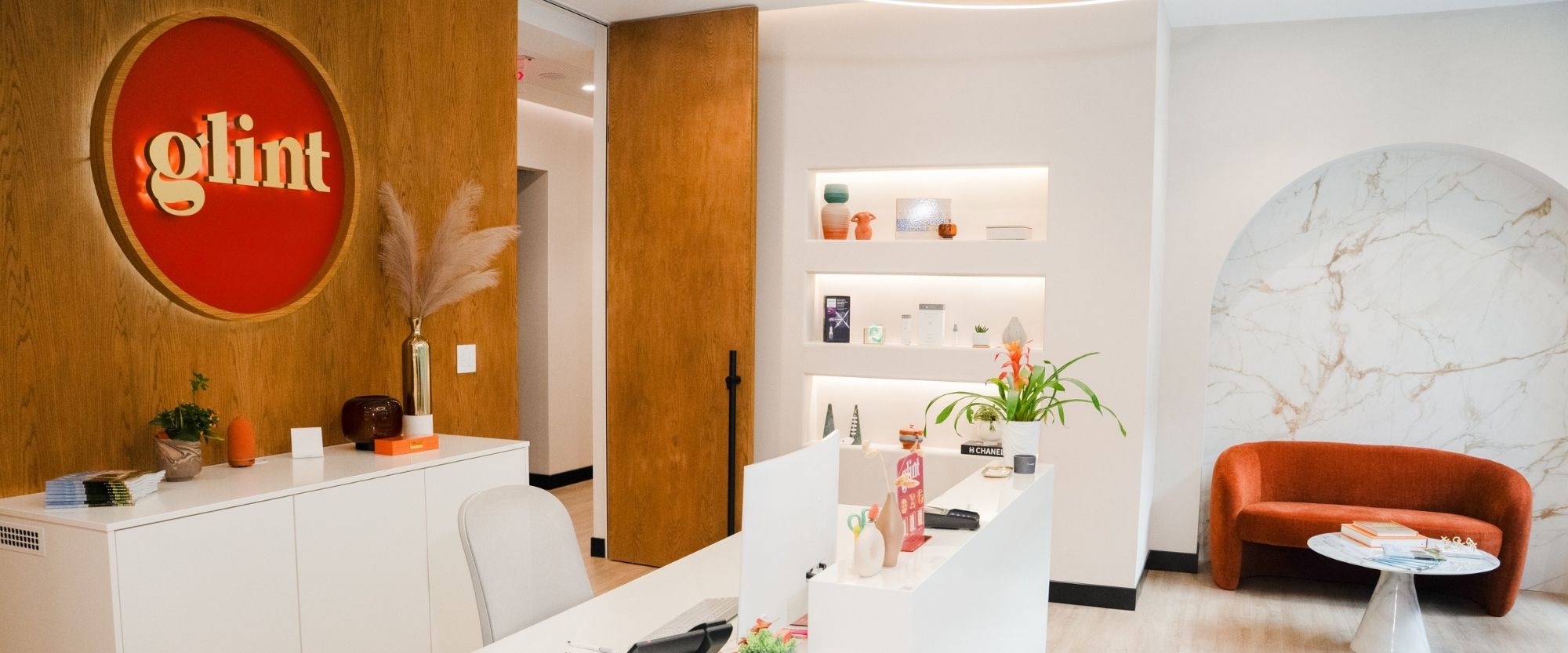
You’ll find a modern, calming space with separate waiting areas for adults and children, complimentary Wi‑Fi, filtered water, and charging stations. Noise‑reducing headphones and TVs are available during procedures, and operatories offer privacy curtains or glass partitions. The office is ADA accessible and offers validated parking (typically up to 2 hours) to streamline your arrival and departure.
You can view digital X‑rays and intraoral photos on high‑resolution monitors during your consult; digital radiography reduces radiation exposure by up to 80% compared with film. The studio offers same‑day restorative options like CEREC crowns, and private consult rooms let you discuss treatment plans, financing, and sedation choices (including nitrous oxide) confidentially before any work begins.
The Initial Consultation
During the initial consultation you’ll spend about 30-45 minutes with the dentist and hygienist for a focused exam: full-mouth visual check, periodontal charting, digital X-rays (5-10 minutes) and intraoral photos for records. The team documents findings, outlines preliminary treatment options, and provides a written estimate and timeline so you leave with clear next steps and a plan for follow-up care.
Medical History Review
You’ll complete a detailed medical and dental history form covering current medications, past surgeries, allergies and systemic conditions like diabetes or heart disease. Specific medications such as anticoagulants or bisphosphonates and states like pregnancy or implanted devices can influence anesthesia choices, imaging protocols or the need for antibiotic prophylaxis, so full disclosure shapes a safe, personalized treatment approach.
Discussion of Concerns and Goals
You’ll describe your concerns-pain, sensitivity, crooked or discolored teeth-and prioritize goals such as immediate relief versus long-term cosmetic work. The dentist will ask targeted questions (onset, frequency, triggers), review photos or models, and set realistic timelines: in‑office whitening 60-90 minutes, veneers 2-3 visits, Invisalign typically 6-18 months.
Your dentist translates those goals into a diagnostic and staged treatment plan using digital smile design, study models and mock-ups so you can preview results. For complex presentations-like bite collapse with wear-the plan may include occlusal equilibration, a protective nightguard and phased restorations over 3-6 months, with specialist referrals scheduled when indicated.
The Examination Process
Dental Health Assessment
During your exam the dentist inspects teeth, gums, tongue and soft tissues, charts restorations and measures pocket depths (1-3 mm is healthy; 4-5 mm suggests moderate disease). You’ll get a plaque index, mobility testing and bite/TMJ evaluation, with notes on wear facets or erosion. If decay or failing fillings are found, the team documents size and location and discusses immediate versus preventive treatment options tailored to your oral-health goals.
Diagnostic Imaging
Digital radiographs are taken as needed-bitewings for interproximal decay, periapicals for root tips, and a panoramic for overall jaw relationships; CBCT 3D scans (voxel size 0.076-0.4 mm) are reserved for implant planning or complex pathology. Digital sensors reduce radiation by roughly 60-90% compared to film, and images integrate into your chart so the team can measure lesion size or evaluate bone height precisely.
Typically you’ll receive 2 bitewings plus a panoramic for a new-patient baseline; individual tooth symptoms or implant planning may trigger a CBCT. Bitewings take seconds, a panoramic under a minute, and CBCT scans ~10-20 seconds-post-processing yields multiplanar views. The staff follows ALARA dosing and positions you for reproducible images that help detect hidden fractures, impacted teeth, sinus involvement or early bone loss relevant to your treatment plan.
Treatment Options and Planning
After your exam and digital X-rays or intraoral scan, the team lays out options ranging from same‑day fillings and whitening to crowns, veneers, Invisalign, gum therapy, or implant‑supported crowns; typical timelines vary-fillings same day, crowns in 1-2 visits a week apart, implants generally 3-6 months for osseointegration, and Invisalign averages 12-18 months-so your plan balances urgency, aesthetics, budget, and clinical sequencing to treat infection or bite issues first.
Personalized Treatment Plan
Your personalized treatment plan lists prioritized steps, costs, and timelines-for example, a conservative route might start with scaling and fillings, a cosmetic option could combine whitening plus veneers over 4-6 weeks, and a full‑mouth rehab might stage extractions, 3-6 month implant healing, then final prosthetics; you’ll get alternatives, financing options, and measurable goals like achieving <1mm gum pocket reduction or restoring anterior esthetics within two appointments.
Follow-Up Appointments and Care
You’ll have a clear follow‑up schedule: a 1‑week post‑op check for sutures or sensitivity, a 7-10 day suture removal if needed, interim checks at 2 weeks and 3 months for surgical cases, routine hygiene every 3-6 months, implant radiographic checks at 3-6 months, and orthodontic adjustments every 4-8 weeks-each visit includes exam, hygiene, and progress tracking so you know when the next step fits your life.
During follow‑ups the team performs targeted tasks: periapical or CBCT radiographs to verify healing, periodontal probing to track pocket depths, occlusion adjustments to eliminate high contacts, and digital photos for your records; for example, a patient who received an implant had a 2‑week soft‑tissue check and a 3‑month radiograph confirming integration before crown placement, after which bite refinement and final polishing were completed in a single visit.
To wrap up
Now you can expect a warm greeting, a review of your medical and dental history, a thorough oral exam with digital imaging, and a personalized discussion of findings and treatment options with transparent pricing and timelines; the team will answer your questions, provide preventive care or cleaning if needed, and schedule follow-ups so you leave with a clear plan for your dental health.