
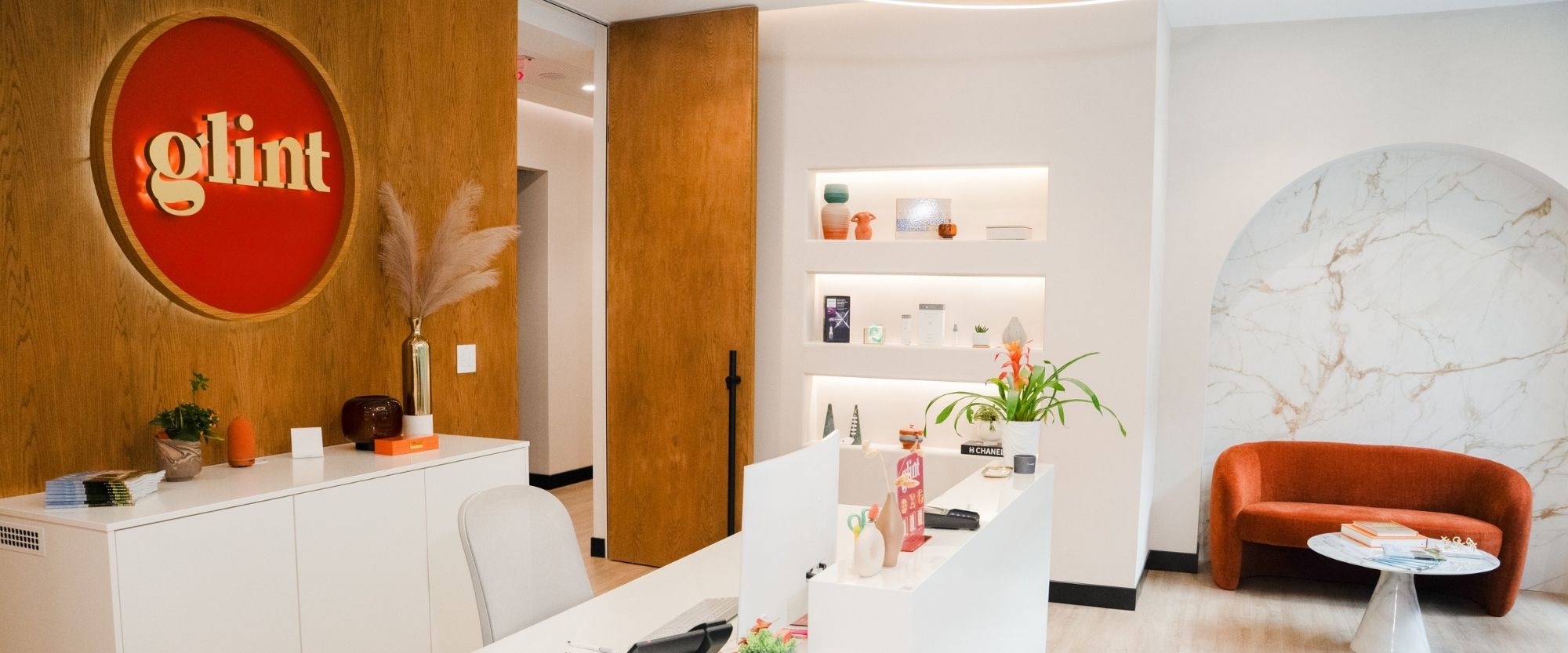
With personalized consultations and clear, evidence-based explanations of preventive strategies, Glint Dental Studio Austin shows you how to protect and improve your oral health through tailored treatment plans, hands-on demonstrations, and user-friendly educational materials. They use digital imaging and measurable progress tracking to illustrate conditions and motivate behavior change, provide follow-up coaching, and equip you with practical daily routines so you can sustain long-term wellness and avoid recurrent problems.
Understanding Dental Wellness
Your ongoing dental wellness is shaped by routine exams, targeted prevention, and behavior changes that stop small problems from growing. At Glint you’ll follow protocols like twice-yearly cleanings, individualized home-care plans, dietary counseling to limit fermentable carbs, and judicious use of fluoride and sealants to preserve enamel and prevent decay over decades.
Importance of Preventive Care
Preventive care lowers your treatment burden and cost by catching issues early: professional cleanings twice a year remove plaque and tartar that brushing misses, sealants can reduce molar decay by up to 80%, and topical fluoride strengthens enamel to resist cavities. When you adopt scheduled visits plus home flossing and targeted habits, you reduce progression to fillings, root canals, or periodontal therapy.
Understanding Common Dental Issues
Cavities, gum disease, tooth wear from grinding, and sensitivity are the problems you’re most likely to face; over 90% of adults have had a cavity and about 47% of adults 30+ show some periodontal disease. Symptoms often start subtle-intermittent sensitivity, bleeding gums, or small dark spots-so proactive screening at the first sign matters.
When decay is caught early you may only need a small composite filling, while deeper lesions require inlays, crowns, or endodontic treatment; early gingivitis often reverses with improved brushing and flossing, but periodontitis typically needs scaling and root planing plus ongoing three‑ to four‑month maintenance. If you grind, a custom nightguard protects enamel; dietary changes and prescription toothpaste manage erosion and sensitivity effectively.
Educational Approaches Used by Glint Dental Studio
Glint blends group learning, one-on-one coaching, and digital resources to reinforce lasting habits. Monthly 60-minute interactive seminars, 30-45 minute private consults, and an online patient portal with 50+ short video tutorials support your care. Hands-on demos, personalized 12-month maintenance plans, and follow-up messaging help you track progress and adopt proven techniques.
Interactive Seminars and Workshops
Monthly 60-minute workshops are capped at 30 attendees to ensure hands-on practice. Topics rotate between preventive care, implant maintenance, and cosmetic aftercare; sessions include live plaque-disclosure demos, electric-toothbrush technique practice, and a 15-minute Q&A. You leave with a printed checklist and a short home-care assignment to apply skills before your next visit.
One-on-One Patient Consultations
You get a dedicated 30-45 minute consultation that begins with intraoral photos and digital X-rays. Clinician completes 6-point periodontal charting, assesses risk factors, and creates a tailored treatment plan with clear milestones and estimated timelines so you understand next steps.
During the visit the clinician reviews side-by-side images, quantifies pocket depths, and maps a 12-month schedule-commonly hygiene at 3-month intervals, targeted home-care steps, and restorative timelines. For sensitivity or post-op care you may receive fluoride varnish, desensitizing toothpaste samples, a two-week follow-up call, and access to step-by-step videos in your secure patient portal.
Digital Resources and Tools
Interactive Websites and Blogs
You can explore a searchable library of tagged topics, step-by-step how-tos, and 2-5 minute procedure videos that break down gum care, veneers, and sensitivity treatments; case examples illustrate measurable improvement in comfort within two weeks. Interactive quizzes and downloadable care plans let you track habits, while treatment-linked articles personalize recommendations based on your recent visits.
Social Media Engagement
Glint leverages Instagram, Facebook, YouTube, and TikTok for bite-sized education: weekly prevention posts, monthly patient stories with before-and-after visuals, and short reels showing brushing and flossing techniques you can replicate at home. You can save practical tips, follow themed post series, and convert advice into appointments or resources with direct links.
They also run biweekly 30-45 minute live sessions where you can submit questions or photos for tailored feedback, watch guided demonstrations, and receive actionable next steps; the interactive format helps you see real-case progress and apply recommendations immediately to your daily routine.
Community Outreach Programs
Local Health Fairs and Events
You’ll find Glint at city health fairs and neighborhood events offering free screenings, quick oral cancer checks, fluoride varnish applications, and hands-on brushing demos. Last year they staffed eight events, reached more than 1,500 attendees, distributed 800 oral-care kits, and arranged 120 follow-up visits for uninsured patients. These encounters let you get immediate advice and referrals tailored to your needs.
School-Based Dental Education
Glint partners with local schools to deliver age-tailored lessons, classroom demos, and teacher toolkits so your students learn proper technique and cavity prevention. In 2023 the team visited ten campuses, reached about 2,400 children, and trained 45 school staff on oral-health policies. Programs include take-home materials and coordination with school nurses to schedule screenings for students in need.
Programs use interactive stations-disclosing tablets to visualize plaque, timed-brushing exercises, and sugar-label workshops-so your class practices habits during the session. They segment curricula for K-2, grades 3-5, and middle school, track progress with pre/post surveys, and provide referral pathways to low-cost clinics. In a three-school pilot, surveys reported a 15% rise in twice-daily brushing and a 30% increase in parental requests for preventive appointments.
Personalized Patient Care Plans
Your plan starts with a 60-minute comprehensive exam using digital X-rays, intraoral scanning and periodontal charting; clinicians set measurable goals-for example, reducing bleeding on probing by 50%-and establish recall intervals (3 months for periodontal maintenance, 6-12 months for routine prevention). You receive a personalized home-care kit (power toothbrush, interdental brushes, fluoride toothpaste) plus an electronic care plan with timelines and benchmarks so you can track progress and understand exactly what success looks like.
Tailoring Education to Individual Needs
You receive instruction tailored to your anatomy, habits, and medical history: patients with braces learn sectional flossing and proxy brush techniques, implant patients practice nonmetallic interdental picks, and those with diabetes get coordinated glycemic-oral hygiene guidance. Clinicians use intraoral photos, one-on-one demonstrations, a 7-day at-home checklist, and video links so you can practice skills; teach-back confirms you’ve mastered each step before moving on.
Monitoring Progress and Adjusting Approaches
Clinicians track objective metrics-plaque scores, bleeding on probing, and pocket depths-using digital charts and comparative photos at each visit. Many patients see pocket depth reductions of 1-2 mm within six months when protocols are followed; if metrics plateau, the team promptly revises home care, professional intervals, or in-office therapy to prevent deterioration and sustain gains.
You also benefit from adaptive interventions: persistent high plaque scores may prompt a switch to a powered brush, daily antimicrobial rinse, or quarterly fluoride varnish for elevated caries risk. Pockets over 5 mm trigger periodontal re‑evaluation and referral when indicated; every adjustment is logged in your electronic record with measurable follow-ups so you can visualize improvement over time.
Testimonials and Success Stories
Patient Experiences
Patients often describe faster recoveries and clearer treatment roadmaps, and you can see that reflected in over 500 five-star local reviews praising same-day crowns and minimally invasive fillings. You’ll read specific examples where detailed consultations led to single-visit smile restorations, fewer follow-ups, and measurable reductions in sensitivity. Testimonials emphasize clear cost estimates, friendly hygiene coaching, and how personalized scheduling helped you fit preventive care into a busy life.
Long-Term Impact on Dental Health
Clinic follow-ups show sustained improvements: in a five-year audit of 300 restorative and periodontal patients, 86% retained healthy gum measurements and restorations remained functional. You benefit from individualized recall intervals and targeted maintenance that reduce flare-ups and emergency visits. Case notes include a patient whose pocket depths decreased from 5 mm to 2 mm within nine months after combined scaling, targeted home care, and digital monitoring.
Regular six-month hygiene visits, quarterly periodontal recalls for high-risk cases, and digital radiographs every 2-3 years support lasting outcomes at Glint. When you follow prescribed at-home routines-fluoride gels, interdental brushes-monitored cohorts show plaque index reductions exceeding 40% within three months. One four-year case review documented stabilized occlusion after restorative rebalance and a night guard, with the patient reporting zero emergency interventions and improved chewing comfort throughout follow-up.
Conclusion
Ultimately you gain practical, personalized guidance from Glint Dental Studio Austin that equips you to maintain lasting oral health: they explain diagnoses in plain terms, demonstrate brushing and flossing techniques, create customized preventive plans, use digital imaging to track progress, advise on diet and habits, and schedule follow-ups to adjust care-so you leave confident in sustaining your dental wellness.