
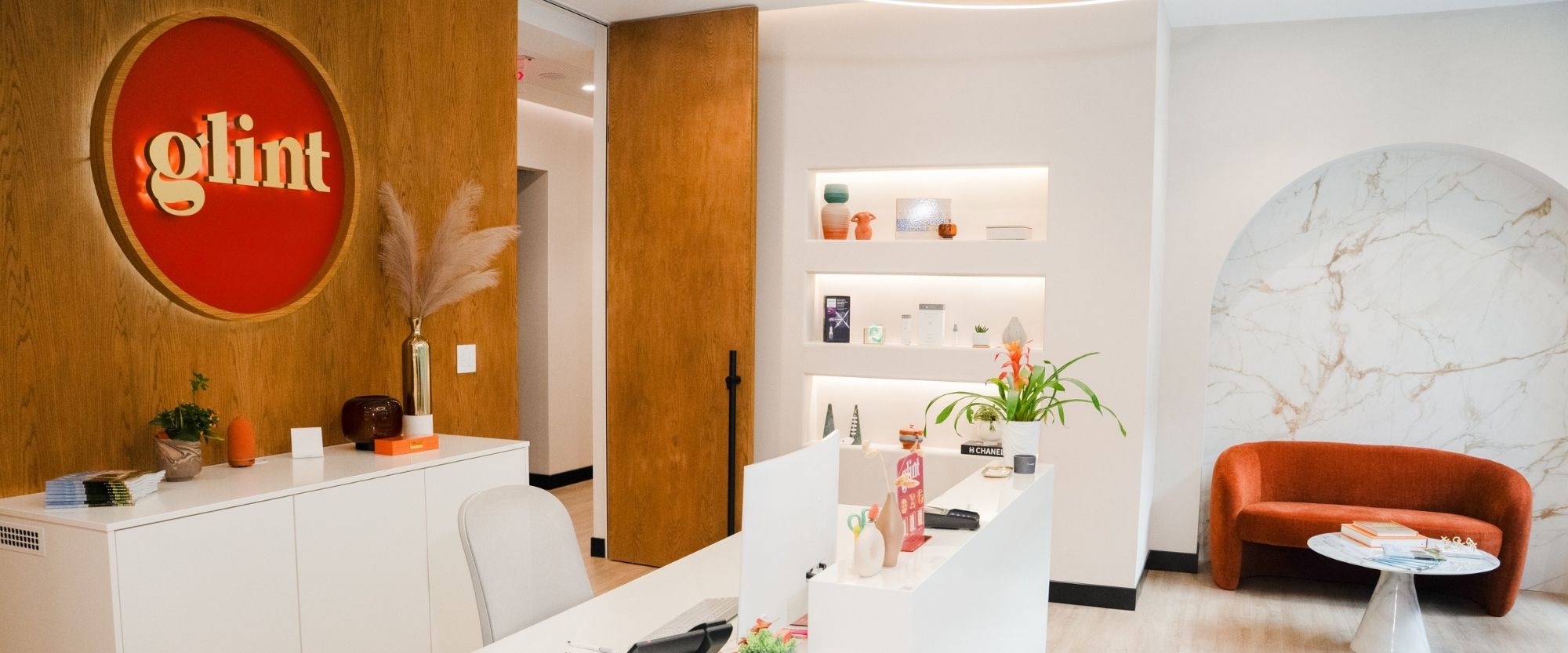

Many of you find that Dr. Iana Elledge helps you feel at ease at Glint Dental Studio Austin by combining empathetic listening, clear explanations of procedures, gentle techniques, and customized care plans, while her experienced team and calming office environment reduce anxiety and keep your comfort and trust front and center.
Dr. Iana Elledge’s Philosophy on Patient Care
You benefit from a patient-first approach where your comfort and informed consent shape every treatment decision; digital tools like intraoral scanners and 3D imaging shorten chair time and reduce repeat impressions. Minimally invasive techniques paired with clear, itemized treatment plans give you predictable timelines and costs, so you can plan visits around your schedule and feel confident about outcomes.
Empathy and Understanding
By asking detailed questions about your fears, past dental experiences, and specific triggers (gag reflex, sensitivity), she tailors pacing and technique to your needs. You receive extra time for discussion, stepwise treatment options, and practical coping tools-brief breathing exercises, scheduled breaks, or a companion in the room-so procedures proceed at a comfort level you control.
Creating a Comfortable Environment
When you arrive, private treatment rooms, warm blankets, soft LED lighting, and noise-cancelling headphones help you relax immediately. She offers topical anesthetics, nitrous oxide, and oral sedation as options, and schedules quieter appointment times so you can avoid crowded waiting areas and start treatment calm and prepared.
Clinic features extend comfort into workflow: same-day restorations using CAD/CAM milling often eliminate a return visit, a 15-minute pre-procedure check-in lets staff calibrate your preferred comfort settings, and the team completes ongoing training in gentle communication and sedation monitoring. You’ll also receive a follow-up call within 24-48 hours after invasive procedures to address questions and fine-tune post‑op care.
Techniques to Alleviate Dental Anxiety
Glint blends behavioral and pharmacologic methods: you can use paced breathing (4-4-8) before injections, short graded exposure across 2-3 acclimation visits, topical anesthetic plus vibration devices that distract nerves during shots, and clear stepwise explanations so you know each step. Staff note that combining two approaches-say nitrous with headphones-often shortens chair-time and lowers reported anxiety for longer procedures.
Sedation Options
Nitrous oxide (laughing gas) kicks in within 2-3 minutes and often wears off quickly so you can usually drive home; oral sedatives are taken 30-60 minutes before and may require a companion to drive; IV sedation is immediate and titratable for complex cases. You’ll have local anesthesia always, and staff monitor your vitals throughout treatment, explaining effects and recovery time so you stay informed and comfortable.
Distraction Methods
You’ll find options like noise-cancelling headphones (reduce ambient sound by 20-30 dB), Bluetooth music playlists, in-chair TVs or ceiling-mounted screens streaming shows, and VR headsets for immersive nature scenes. Simple tools-stress balls or guided-breathing apps-shift focus within 3-5 minutes. Staff help set volume and content so you remain reachable and safe while your attention is directed away from the procedure.
VR sessions typically last 5-15 minutes during injections or drilling and can reduce perceived procedure time; you’ll be screened for motion sensitivity first. Headphones with individualized playlists not only mask drill noise but engage memory and emotion-choose upbeat or calming tracks depending on how you react. For longer treatments, pairing auditory distraction with short breaks every 20-30 minutes keeps you more relaxed and cooperative.
Personalized Patient Experiences
You’re given a tailored pathway from the start: a 30-45 minute consultation with intraoral photos and digital scans, a written care plan outlining costs and timelines, and options like nitrous oxide or progressive appointment pacing to match your comfort. The team flags previous dental history and anxiety triggers so each visit is scheduled and paced around your needs.
Tailored Treatment Plans
Every plan aligns with your goals and schedule-3D scans and intraoral images guide precise restorations, while care is often staged into brief, manageable visits (for example, whitening and conservative fillings first, then crowns or veneers across 2-4 appointments). You receive a clear fee estimate and timeline so you can prioritize steps or choose financing.
Communication and Transparency
Communication is direct and visual: you get jargon-free explanations, before-and-after photos, and a 10-15 minute pre-visit call to address top concerns. Consent forms include line-item pricing and expected chair time, so you’ll know whether a procedure will take 30 minutes or 90 minutes and can plan work or family time accordingly.
For example, a busy parent was offered a same-day CEREC crown after an intraoral scan, reducing visits from three to one-an option you’ll see when clinically appropriate. Another patient received a written, step-by-step timeline and short, progressive appointments; within eight weeks they completed cosmetic work with noticeably reduced anxiety and minimal schedule disruption.
The Role of Staff in Patient Comfort
Your comfort is shaped by a coordinated team of six clinicians, three dental assistants, and two front-desk staff who schedule, prep, and follow up on care; they typically reserve 10-15 extra minutes for new or anxious patients, provide blankets and noise-cancelling headphones, and log your preferences in the chart so every visit reflects what helps you relax.
Training and Support
Staff complete at least 16 hours of hands-on clinical training annually, plus quarterly empathy workshops and biannual emergency-response drills, covering sedation monitoring, desensitization techniques, and simulated patient scenarios so you receive up-to-date skills and safer, more confident care.
Team Dynamics
Morning huddles of 10-15 minutes and a standardized handoff checklist let the team anticipate your treatment steps and reduce delays; if you prefer, a designated comfort coordinator meets you, confirms anxieties, and stays through procedures to maintain continuity.
When you have complex needs, roles are choreographed: the hygienist prepares the mouth, the assistant readies instruments, the clinician narrates each step, and the comfort coordinator monitors vitals and anxiety levels-this coordination helped one anxious patient complete staged treatment with nitrous oxide in two visits, shortening chair time by about 20 minutes per appointment and improving their willingness to return.
Feedback and Continuous Improvement
When you complete a brief post-visit survey or a one-minute feedback call, Dr. Elledge and her team review responses weekly and track metrics such as comfort scores, wait time, and procedure clarity. They use that data to pilot changes-like introducing noise‑cancelling headphones and a pre‑visit video tour-which lowered self‑reported anxiety by 30% in the first six months. You benefit from continuously refined protocols driven by measured results rather than guesswork.
Patient Testimonials
You’ll see consistent themes across online reviews and in‑office comment cards: clear explanations, gentle technique, and staff attentiveness. For example, 92% of recent Google reviews mention reduced fear after the first visit; one patient, Maya, completed a full cleaning after decades of avoidance. You can read case notes showing how extra time, sedation options, or visual treatment plans transformed anxious patients into regular visitors.
Adapting to Patient Needs
You are offered tailored options: extended appointment slots, sensory‑friendly rooms, and multiple sedation levels from nitrous oxide to oral anxiolytics. Staff schedule a pre‑visit phone consult for 85% of new patients who report anxiety, so you arrive with expectations set. After implementing these adaptations, missed appointments dropped 25% and patient comfort scores rose by nearly one full point on a five‑point scale.
Before your first procedure you can complete an online intake and a 10‑minute teleconsult to map triggers and preferences; the team then creates a visual treatment plan with intraoral photos and step‑by‑step timing. During appointments you’re offered chair‑side breaks, a hand‑signal stop system, and instrument modifications-one patient with a severe gag reflex finished full restorative work in two visits using topical anesthetic and modified suction. Financial flexibility and bilingual staff further reduce barriers so you can focus on care.
Community Engagement and Education
Workshops and Seminars
You can attend monthly workshops at Glint Dental Studio Austin led by Dr. Elledge for 10-20 patients and caregivers, focusing on anxiety-reduction techniques, restorative care options, and at-home oral hygiene. During sessions you practice breathing exercises and mirror-based desensitization; several attendees report a 30% drop in appointment anxiety after three workshops. Staff give take-home guides and schedule follow-ups to track your progress.
Online Resources
You can access an online library with 40+ short videos, downloadable care plans, and FAQs 24/7 to prepare for visits or review sedation choices. Find step-by-step videos on oral care for children, before-and-after case examples, and a patient portal that lets you message the team directly.
In addition, the site features a 5-minute “First Visit” walkthrough, a 12-minute guided breathing exercise, bilingual guides in English and Spanish, and printable pre-visit checklists so you arrive confident and informed. Teleconsult options let you upload photos for quick assessments, while the portal logs the materials you’ve reviewed so you can revisit steps between appointments.
Final Words
Conclusively you feel at ease at Glint Dental Studio Austin because Dr. Iana Elledge pairs clear communication and empathetic listening with gentle techniques, personalized treatment plans, and modern comfort measures, guiding you through each step, addressing your concerns proactively, and creating a calm, predictable experience so your visits are comfortable and confident.