
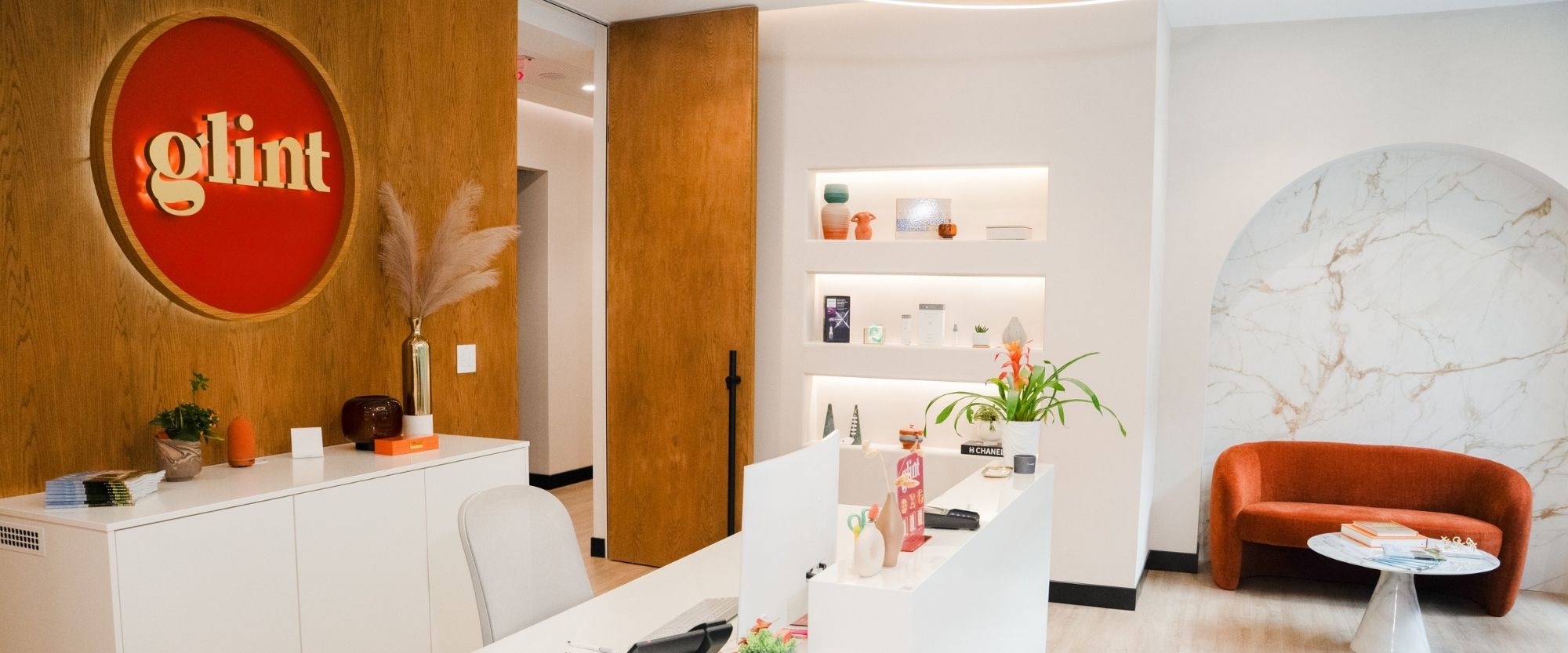
It’s reassuring that at Glint Dental Studio Austin Dr. Iana Elledge centers care on your comfort by combining gentle clinical techniques, clear communication, and tailored pain-management plans. You benefit from modern sedation options, ergonomic treatment spaces, and advanced technology that reduces procedure time and anxiety. Her staff guides you step-by-step, addresses your concerns, and provides post-procedure follow-up so you feel supported throughout your care.
The Importance of Patient Comfort
Patient comfort drives clinical success: anxious patients delay care and are less likely to complete treatment, with about 36% of adults reporting dental fear and roughly 12% experiencing severe phobia. You benefit when comfort measures-pre-visit screenings, transparent timelines, and treatment pacing-reduce cancellations, improve healing, and increase acceptance of recommended care.
Understanding Patient Anxiety
Dental fear often stems from past trauma, loss of control, or sensory triggers like drilling and injections; screening tools such as the Modified Dental Anxiety Scale (MDAS) help quantify your level so Dr. Elledge can tailor care. For higher scores she routinely offers pre-visit counseling, nitrous oxide (fast onset, quick recovery), topical and local anesthesia, and planned breaks so you remain in control throughout treatment.
Creating a Welcoming Environment
Glint’s design choices minimize stress: private operatories, soft lighting, sound-dampening materials, and complimentary noise-canceling headphones or streaming entertainment so you can focus elsewhere. Staff greet you by name, offer warm blankets or subtle aromatherapy when desired, and use clear signage plus digital check-in to shorten time in the waiting area.
Beyond aesthetics, practical systems support comfort: you get longer initial appointments (commonly 30-45 minutes) for thorough discussion, same-day limited treatment options to reduce trips, and chairside monitors with intraoral camera views so you can see findings and consent to each step. Staff complete ongoing training in trauma-informed communication, which helps many anxious patients finish full treatment plans after just one or two gradually paced visits.
Personalized Treatment Plans
Tailoring to Individual Needs
Dr. Iana Elledge builds your plan from a 30-45 minute assessment using digital X-rays, intraoral scans and a health-history review to address decay, periodontal status, aesthetics and anxiety. For example, busy professionals often receive same-day CEREC crowns, while anxious patients are offered nitrous oxide or low-dose oral sedation. You’ll get timelines (1-3 visits for restorations, 3-6 months for implant integration) and referrals to specialists when interdisciplinary care improves outcomes.
Regular Patient Consultations
Initial consults are followed by scheduled check-ins-often at 2 weeks post-procedure, then at intervals of 6-8 weeks during active treatment-to review healing, adjust prescriptions and confirm your comfort. Routine maintenance visits are set every six months for most patients, with periodontal patients seen at 3-4 month intervals to monitor pocket depths and inflammation.
During these consultations Dr. Elledge compares current intraoral scans and clinical photos to baseline records, measures probing depths, and updates radiographic findings to quantify progress. For instance, an implant case typically includes a baseline consult, a 2-week healing check, a 3-4 month osseointegration review, and a final prosthetic appointment-each visit recorded in your updated treatment plan so you always know the next steps and expected outcomes.
Advanced Technology and Techniques
Dr. Elledge uses a mix of 3D imaging, same‑day CAD/CAM restorations, diode lasers, and magnification to keep your visits efficient and gentle; a CBCT scan captures 3D anatomy in under 20 seconds, CEREC mills crowns in about 10-20 minutes, and operating microscopes provide up to 25× magnification for precision that preserves tooth structure and shortens chair time.
- CBCT 3D imaging for precise diagnostics
- CEREC same‑day CAD/CAM restorations
- Digital intraoral scanning for faster, more accurate impressions
- Diode and Er:YAG lasers to reduce bleeding and postoperative discomfort
- High‑magnification microscopes and loupes for conservative preparations
Technology vs. How it improves your experience
| Technology | How it improves your comfort |
|---|---|
| CBCT 3D imaging | Faster, targeted treatment planning that reduces exploratory procedures and unexpected visits |
| CEREC CAD/CAM | Single‑visit restorations that eliminate temporary crowns and extra appointments |
| Digital intraoral scanners | More accurate impressions in minutes, fewer retakes and less gagging |
| Dental lasers | Less bleeding, minimized sutures, and often reduced need for anesthesia |
| Microscopes & magnification | Conservative preparations that save natural tooth structure and lower long‑term sensitivity |
Modern Dental Equipment
You benefit from equipment designed to shorten visits and improve outcomes: intraoral scanners capture full arches in minutes, CBCT provides 3D diagnostics in under 20 seconds, and CEREC mills aesthetic crowns in roughly 10-20 minutes-so many restorative cases finish in a single appointment, reducing anxiety and time away from work or family.
Minimally Invasive Procedures
Dr. Elledge prioritizes techniques that remove the least amount of tooth-air abrasion, resin infiltration (ICON) for early lesions, and adhesive composite restorations that often avoid local anesthesia; composite restorations commonly last 7-10 years with proper care, letting you preserve tooth structure while maintaining function and appearance.
In practice, minimally invasive care means she uses magnification and selective caries removal to leave healthy dentin intact, bonding modern composites with adhesive protocols that distribute stress and extend restoration life. For example, early interproximal lesions can be arrested with resin infiltration in a single visit, preventing a larger filling. You’ll often experience less postoperative sensitivity, fewer appointments, and a lower lifetime treatment burden when these approaches are applied.
Staff Training and Professionalism
At Glint Dental Studio, the team completes at least 20 hours of structured training annually plus quarterly performance reviews to ensure your care stays current and consistent. Sessions cover infection control, digital workflows, patient-centered communication, and simulation lab practice; monthly huddles analyze patient feedback (the clinic averages a 4.9/5 satisfaction score) so protocols are updated based on real results you experience.
Continuous Education
Staff pursue ADA-accredited courses, hands-on workshops, and monthly case-review rounds led by Dr. Elledge so you benefit from the latest techniques-digital impressions, laser therapy, and updated sedation protocols. Competency is verified with checklists and written assessments, and new procedures are only introduced to patients after supervised clinical trials and documented proficiency.
Empathy and Communication Skills
Monthly 90-minute empathy workshops, role-play scenarios, and teach-back exercises sharpen how the team explains care so you leave appointments confident in your plan. Post-visit surveys show 92% of patients feel “fully informed,” and staff use standardized consent scripts plus 5-minute pre-treatment briefings to lower anxiety and build consistent trust.
For anxious patients, the team applies Tell-Show-Do, guided-breathing, and a 10-minute counseling protocol; a recent pilot reduced average pre-treatment anxiety from 7.8 to 3.1 on a 0-10 scale. You may also receive a written summary, a clear timeline for procedures, and a single-point contact for follow-up, which cuts confused questions and improves adherence to aftercare instructions.
Patient Feedback and Improvement
Glint collects feedback through monthly digital surveys, post-visit calls and an on-site suggestion box, totaling about 450 responses last year and an average satisfaction score of 4.8/5. You’ll see that every comment is logged in a patient-experience database, triaged within 72 hours and assigned to staff so improvements are measurable and tracked in quarterly reports.
Encouraging Open Communication
Staff invite you to share specifics during check-in, with anonymous online forms and a 48-hour follow-up call that yields clinician-facing notes. For example, a patient advisory panel of 12 members meets quarterly and has prompted three policy changes this year; you can join the panel or submit suggestions, and the team acknowledges feedback within two business days.
Implementing Feedback for Better Care
When you report discomfort or anxiety, Glint turns that feedback into concrete upgrades: 12 facility and protocol changes last year included premium chair cushioning, noise-cancelling headphones, and expanded nitrous oxide availability, collectively cutting in-office discomfort reports by 35% and reducing perceived wait time by about 15 minutes.
The implementation workflow routes each suggestion to a quality-improvement team that meets weekly, issues an action plan within seven days, and measures outcomes at 30- and 90-day intervals; one case study shows a patient moving from a 2/5 comfort rating to 5/5 after tailored sedation and room adjustments, proving how you benefit from evidence-based changes.
Additional Comfort Measures
Your comfort at Glint Dental Studio goes beyond procedure protocols: private treatment suites, adjustable LED lighting, and 30-60 minute pre-treatment consultations let you set the pace and environment. You can request over-ear noise-cancelling headphones, warm blankets, or a neck pillow, and staff record your preferences to replicate them on future visits, helping reduce anxiety and streamline care coordination across appointments.
Amenities and Relaxation Techniques
You’ll have access to plush reception seating, in-room tablets with streaming, noise-cancelling headphones, heated blankets, and choice of aromatherapy. Staff can guide you through 5-minute breathing exercises, offer a 10-minute progressive muscle relaxation routine pre‑procedure, or provide pediatric distraction options like iPad cartoons and toys to shorten perceived treatment time and improve cooperation.
Pain Management Options
You can select topical anesthetic gels, local anesthetic injections (e.g., lidocaine), nitrous oxide for anxiolysis, or oral conscious sedation for moderate anxiety. Typical onset times are topical 30-60 seconds, local anesthesia 2-5 minutes, nitrous 2-3 minutes, and oral agents 30-60 minutes. Clinicians perform an ASA-style assessment and document which methods work best for your care.
When sedation or analgesia is used, monitoring includes pulse oximetry and blood pressure checks, and personnel maintain BLS/ACLS certification. Lidocaine 2% with epinephrine 1:100,000 is commonly used for longer-lasting blocks, nitrous is titrated (often effective at 30-50%), and oral benzodiazepines are given in single measured doses with recovery instructions. If you need deeper sedation, the office coordinates referral to an anesthesiologist for IV sedation or general anesthesia and pre-op medical clearance.
Final Words
Upon reflecting, you can trust that Dr. Iana Elledge ensures your comfort at Glint Dental Studio Austin by creating personalized treatment plans, using gentle techniques and modern pain-management and sedation options, maintaining a calm, ergonomic environment, communicating clearly about steps and expectations, and having attentive staff who address your anxiety, follow up on recovery, and adapt care to your needs.